Before the itinerary
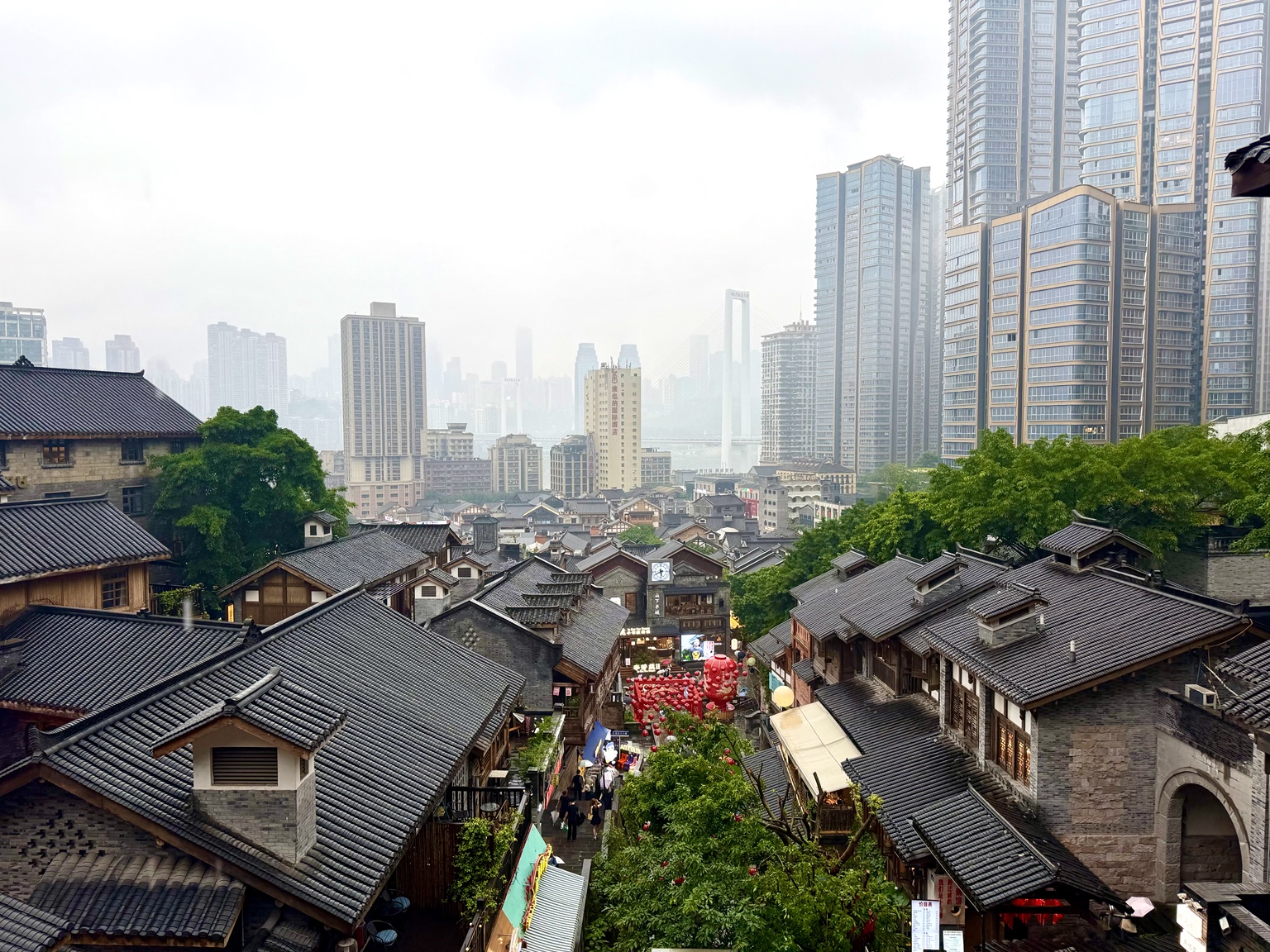
Chongqing does not seem to follow the logic of an ordinary city. Streets appear on top of buildings, elevators work as urban shortcuts, and a square can feel like ground level while sitting on the 22nd floor. This almost impossible terrain explains its nickname: the 8D city.
First, accept the vertical city
In Chongqing, a map shows distance but not elevation. You climb and descend stairs, cross buildings, use public elevators and discover that two seemingly close places may sit on entirely different levels.
Instead of trying to master the city on day one, group sights by area and leave room to get a little lost. Here, getting around is part of the experience.
Where to stay: Jiefangbei
For a first visit, Jiefangbei is the most practical base: central, lively and close to several places that naturally fit into the itinerary.
I stayed at ASPERA High-Altitude Garden Panoramic Hotel. I especially liked the location and the view—two things that make a real difference in a city where the urban landscape is part of the attraction.
See ASPERA Hotel on Trip.com↗What to see by day and night
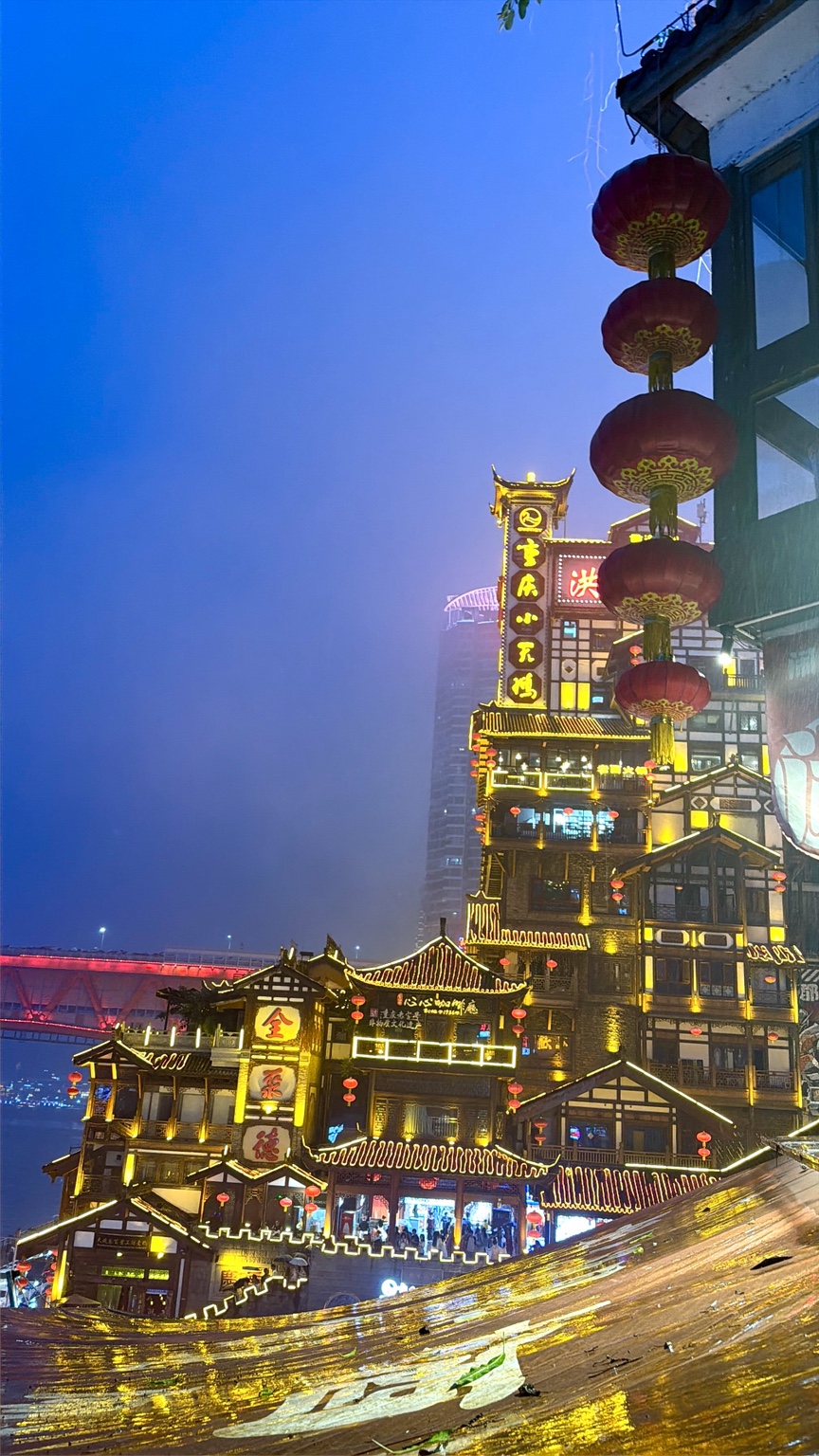
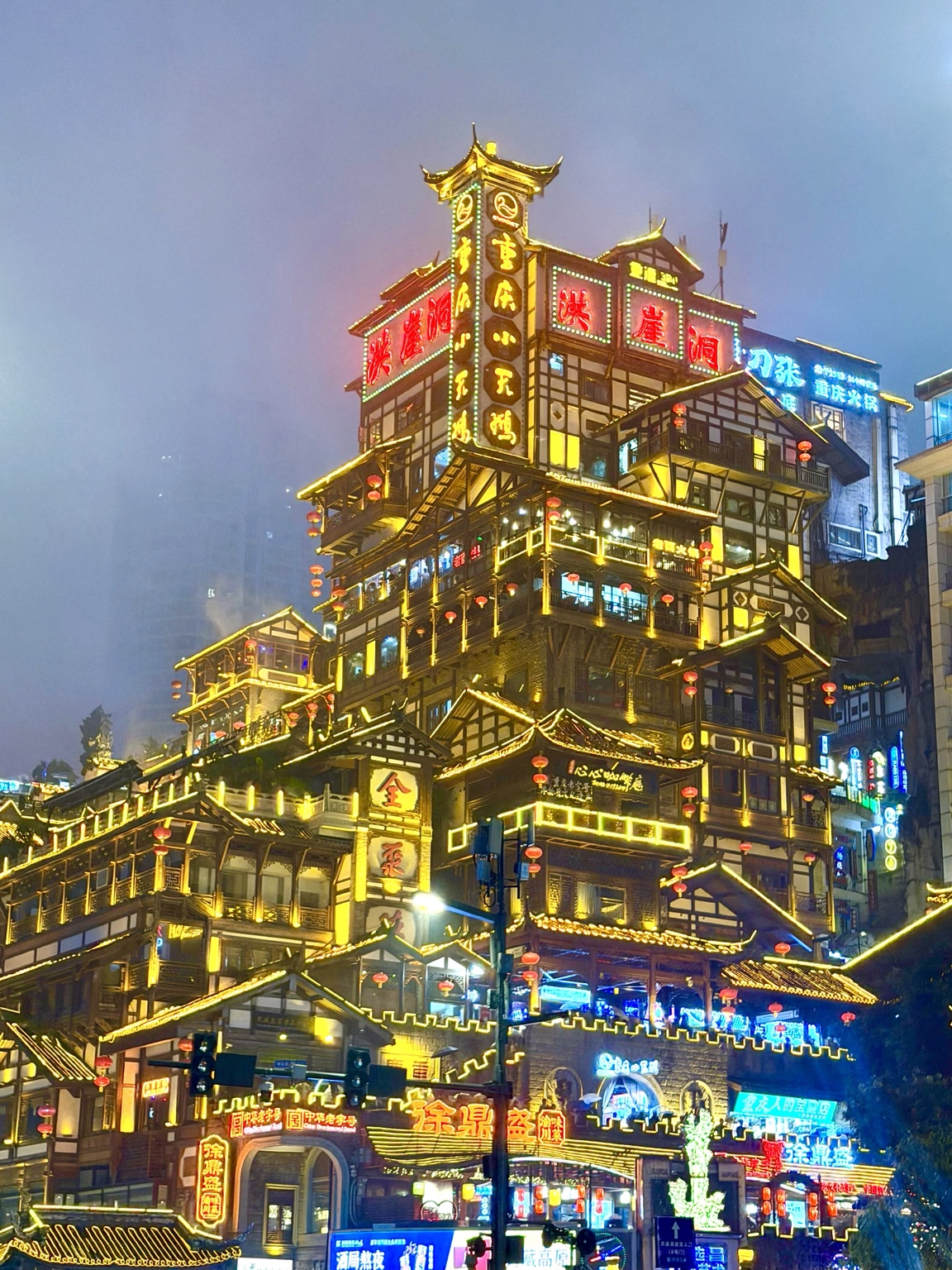
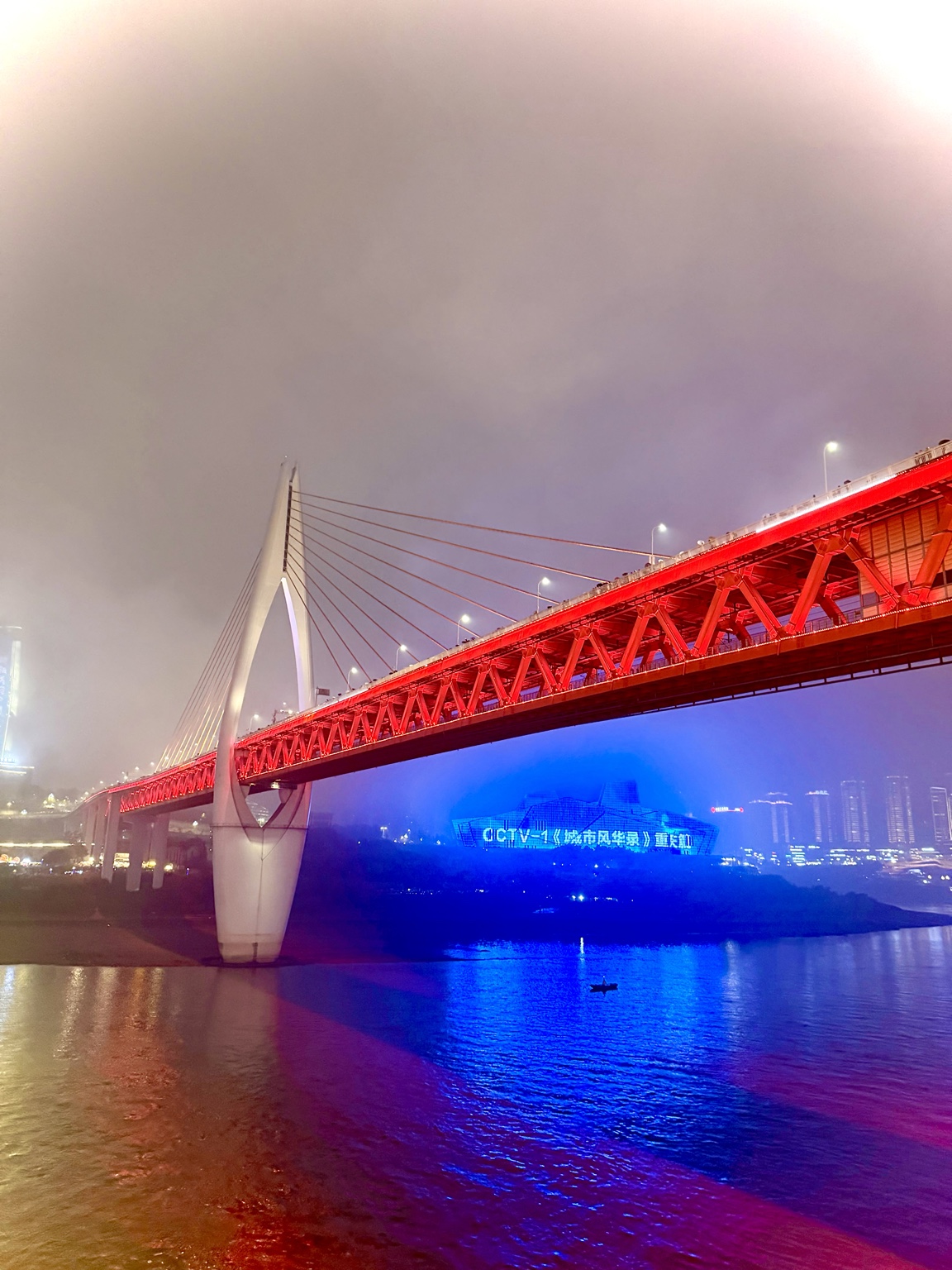
Hongyadong deserves two visits. By day, you can understand how the complex follows the terrain; at night, the lights transform it completely. Qiansimen Bridge is one of the best viewpoints for watching that change.
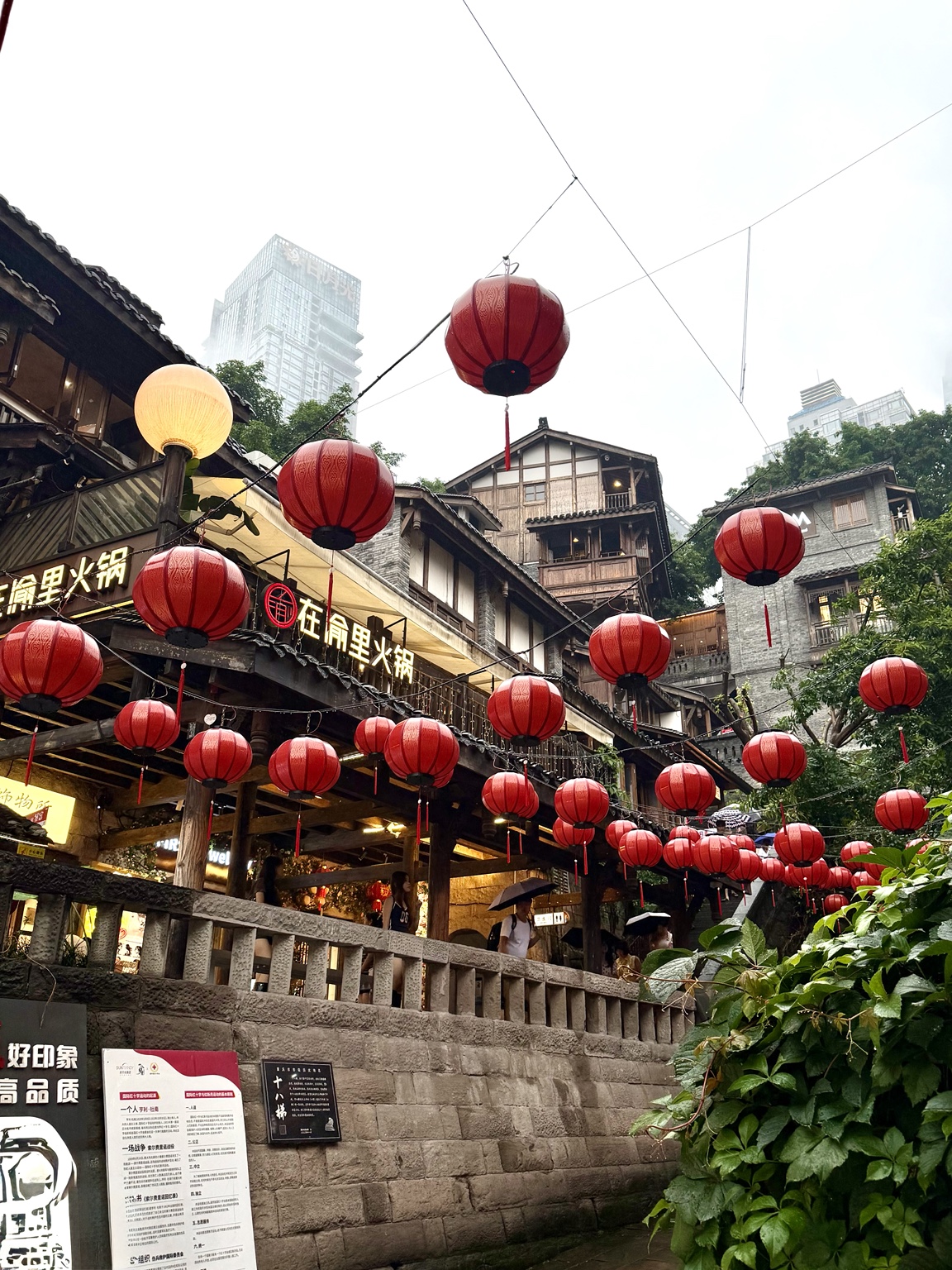
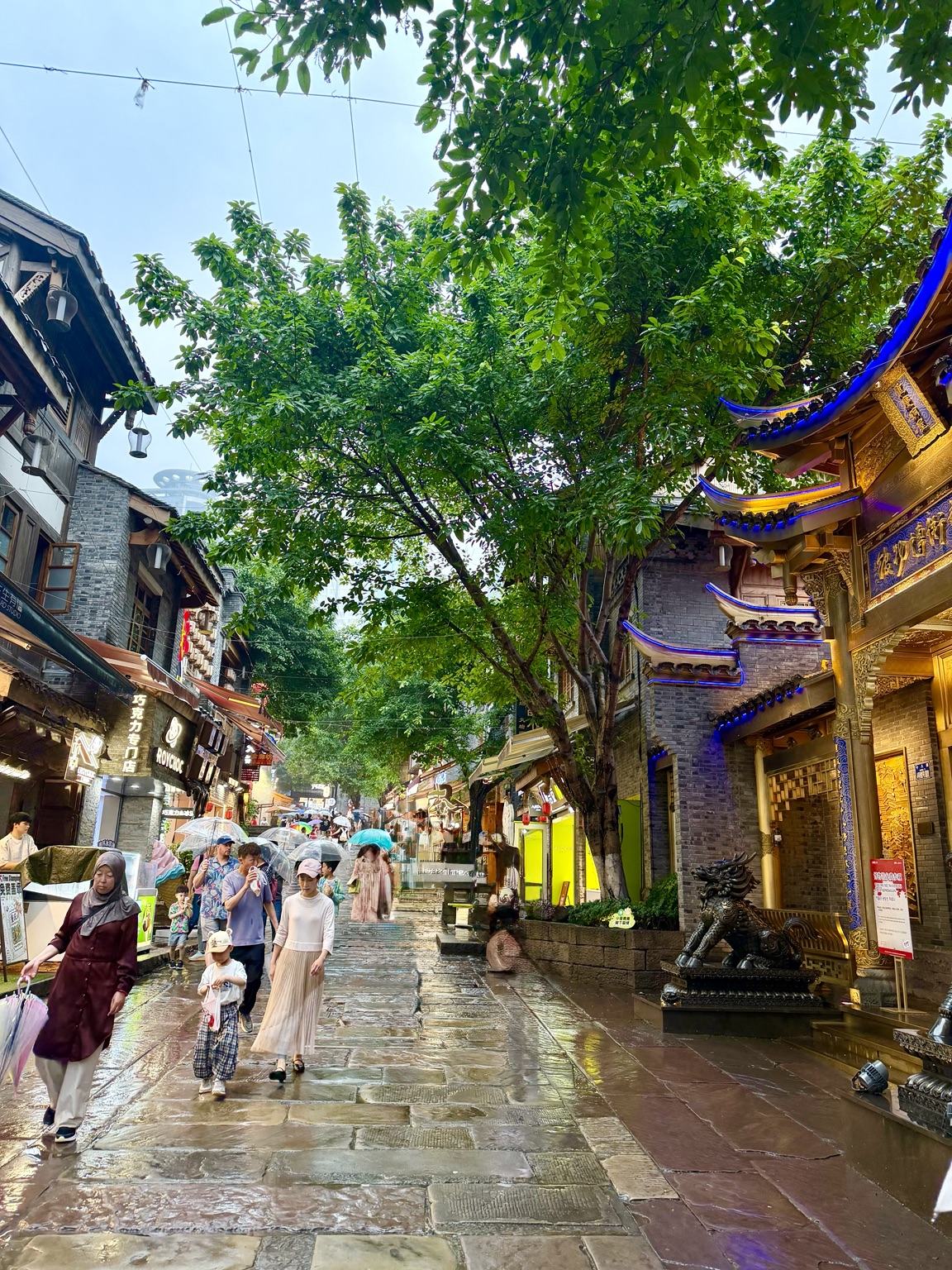
Liziba Station is the famous monorail stop that passes through a building. Shibati Traditional District combines historic lanes, shops and cafés. Kuixinglou Square sums up Chongqing’s logic: it sits on the 22nd floor and can still feel like ground level.
Wulong: a full-day trip
The best-known trip outside the city combines Fairy Mountain National Forest Park, with its mountain climate and wide green spaces, and the Three Natural Bridges, marked by canyons and monumental rock formations.
Tours are available through platforms such as GetYourGuide and Trip.com. Travel time takes up much of the day, so avoid important evening plans when you return.
Chongqing hot pot
Hot pot is central to the Chongqing experience. The broth is intense and spicy, with the distinctive numbing quality of Sichuan pepper. Meat, vegetables, tofu and mushrooms cook together in the shared pot.
Milder options exist, but the local scale can be surprising. If your spice tolerance is low, start with the mildest available level and work up—not the other way around.
How many days to stay
Two or three days are enough for the main sights. Add a fourth for Wulong or a slower exploration of the food scene.
Chongqing works best when you do not try to fit everything in. The city already demands energy simply to cross it; leaving space in the plan makes the experience much more interesting.