Before the itinerary
Are three days in Paris enough? Not to see everything. They are enough, however, for a memorable first trip when the itinerary respects the city’s geography and does not turn every hour into a race. This route expands on my reels, including a Giverny day trip and the places I would choose to experience distinct sides of Paris.
Before you begin: three days require choices
Paris always leaves something for the next trip. The point of this itinerary is not to tick every pin on a map, but to combine famous monuments with neighborhoods that deserve unhurried walks.
The Louvre and Giverny require the most planning. Book their time slots first and check the weekday: the Louvre is closed on Tuesdays.
Day 1 — Latin Quarter, Notre-Dame and the Louvre
Start at the Luxembourg Gardens and walk to the Panthéon. This part of the Latin Quarter works well in the morning, alternating gardens, smaller streets and architecture without long transfers.
Continue toward Île de la Cité for Notre-Dame, then walk along the Seine. Cathedral admission is free; an optional reservation through the official website can reduce waiting time.
Keep the second half of the day for the Louvre. The museum is vast, so decide in advance which wings or works matter most to you. Extended hours on Wednesdays and Fridays can make this day more comfortable.
Day 2 — Giverny and the Eiffel Tower
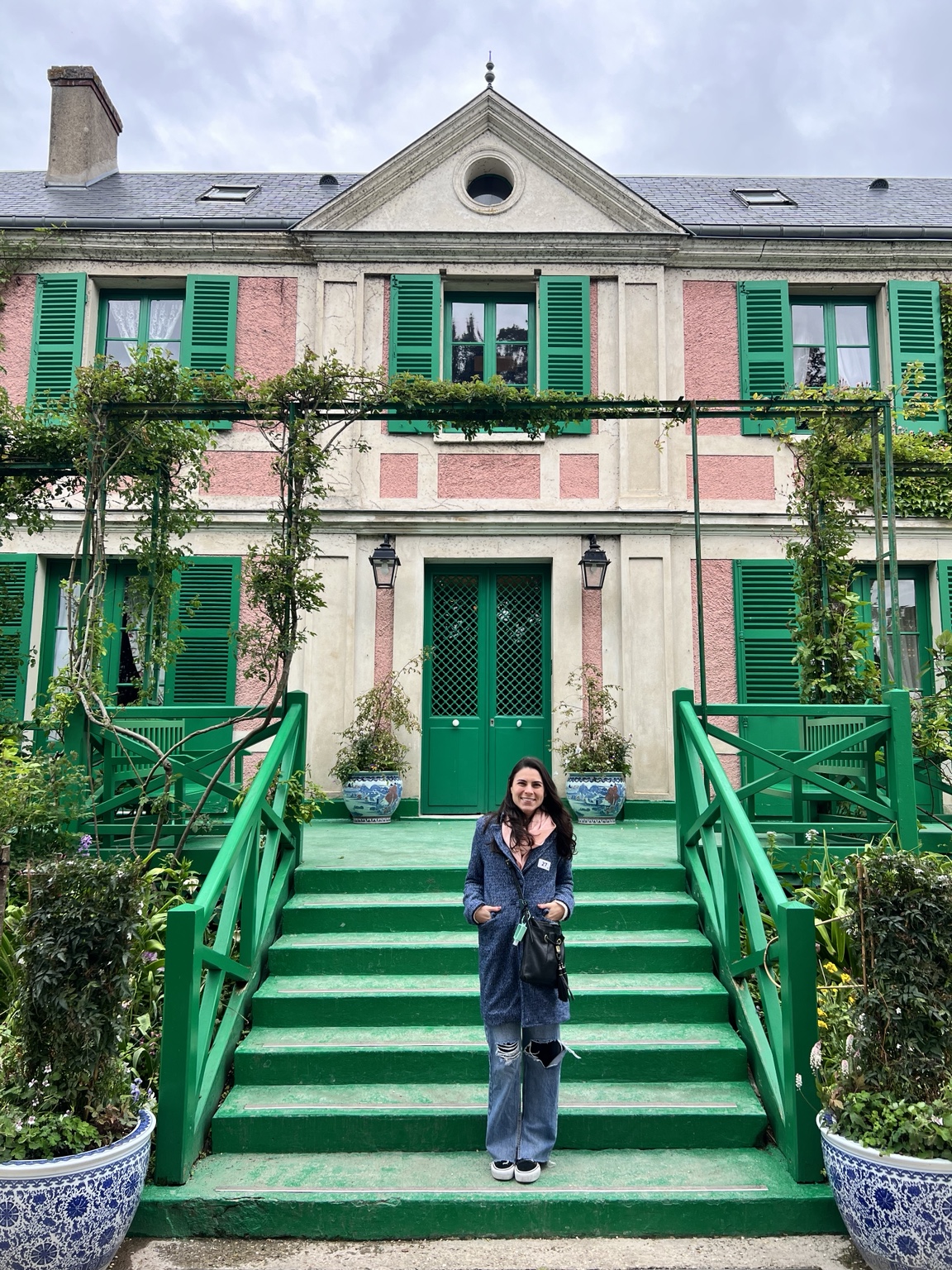
I visited Monet’s House and Gardens on a tour departing from central Paris. For a short itinerary, it was a practical solution: transportation and admission were already arranged, so I did not have to coordinate trains and transfers.
The outing takes up much of the day, but you can still reserve late afternoon or evening for the Eiffel Tower. I would keep this part loose: walk along the Seine, watch the tower light up and have dinner without another tightly timed attraction.
Giverny is a choice, not an obligation. You exchange a few hours in Paris for a completely different experience among Monet’s home, flower garden and water-lily pond.
Day 3 — Montmartre, Galeries Lafayette and the Arc de Triomphe
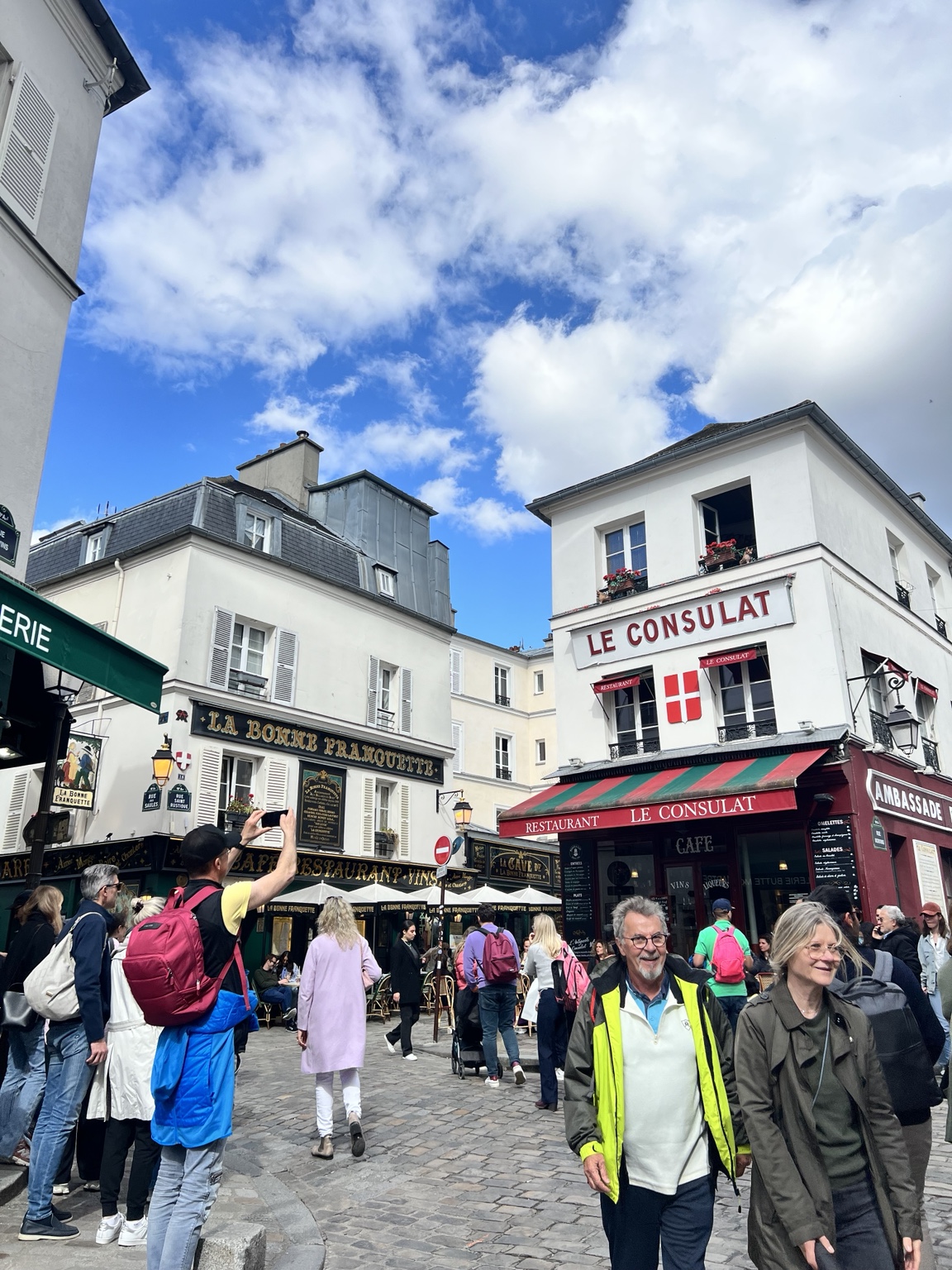
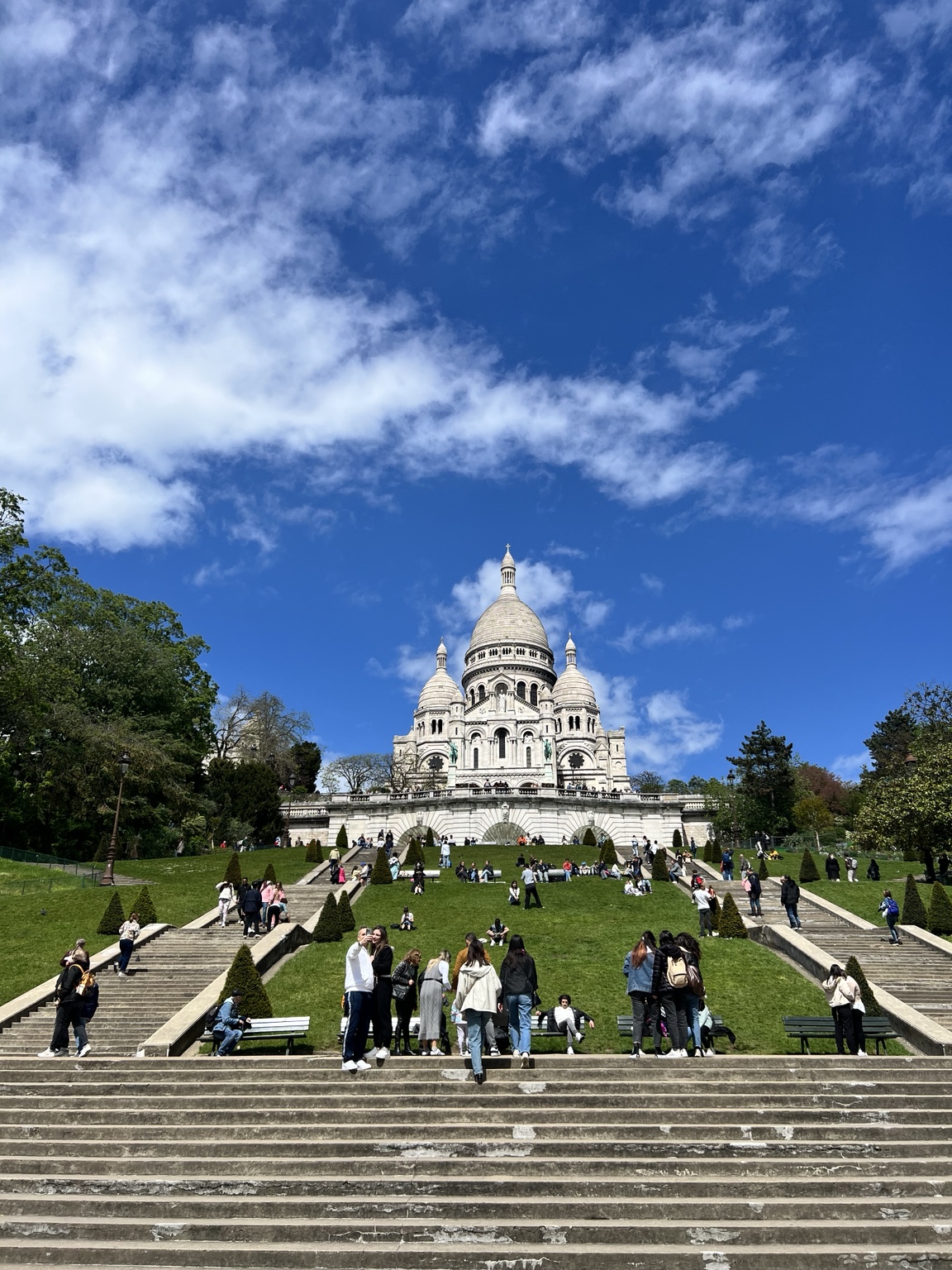
Reach Montmartre early and begin at Sacré-Cœur. Then wander downhill through the neighborhood’s streets, small squares and cafés—the part of Paris that can feel like a city within the city.
Continue to Galeries Lafayette Haussmann. Even without shopping, the dome is worth seeing, and the rooftop opens onto the Paris skyline; the outdoor area may close temporarily in poor weather.
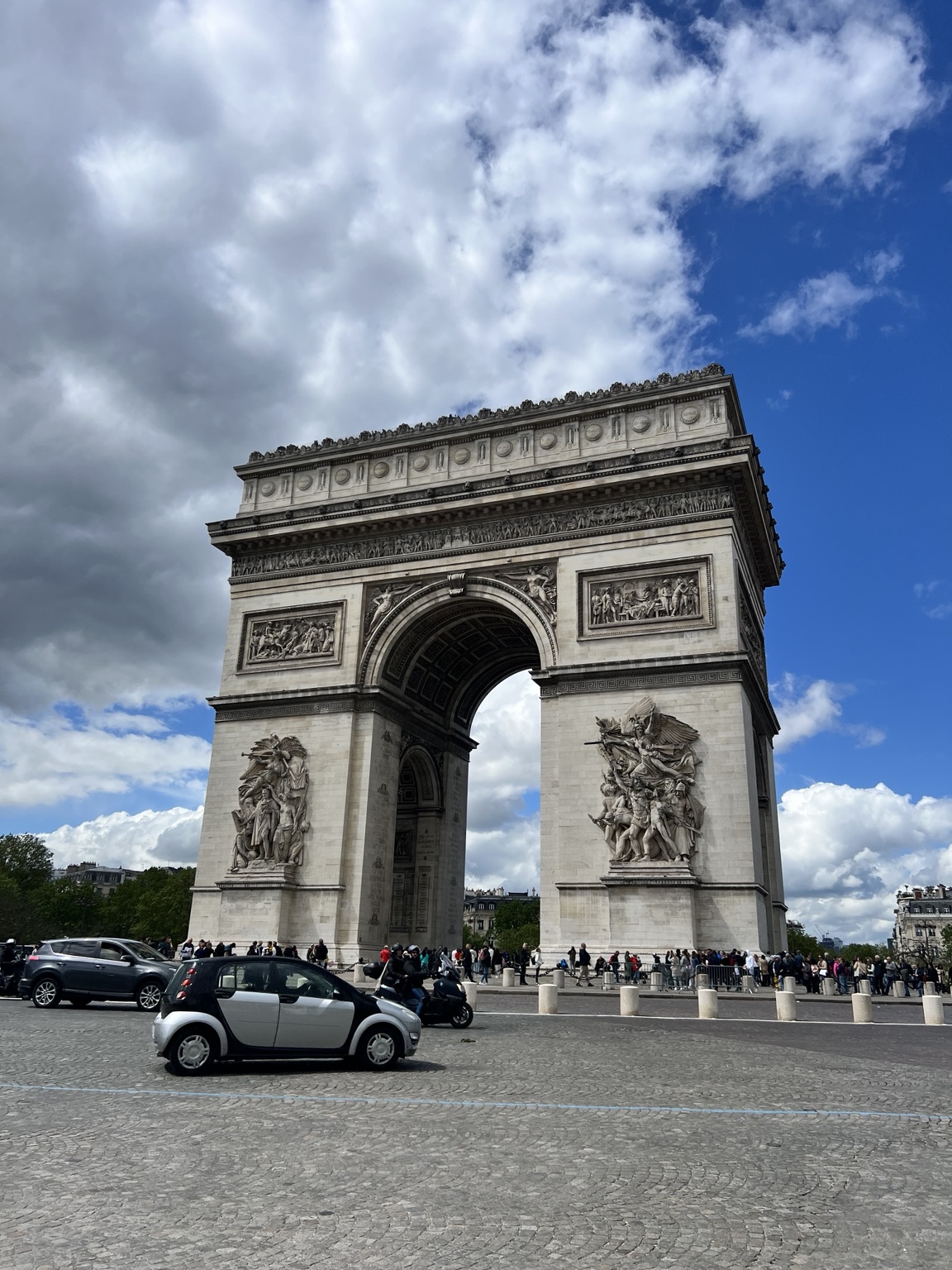
Finish along the Champs-Élysées and at the Arc de Triomphe. Going up to the terrace is optional, but the view explains the geometry of the avenues. If you would rather save your energy, exploring the surroundings still gives the day a strong ending.
Why this order reduces travel time
Day one moves from the Latin Quarter to the Seine and the Louvre. Day two concentrates the excursion and an evening around the Eiffel Tower. Day three links Montmartre, the department-store district and western Paris.
There will still be Métro rides and plenty of walking, but the city stops feeling like a list of disconnected pins. Each day has its own mood: historic Paris, Monet’s world and, finally, rooftops and Montmartre streets.
So, are three days enough?
They are enough to understand why you will want to return. This route includes many classics but accepts that Paris cannot fit entirely into three days—and that makes the trip better, not worse.
If it is your first visit and you prefer to prioritize Paris alone, replace Giverny with the Musée d’Orsay, the Marais or more time at the Louvre. If Monet and gardens speak to you, I would keep the day trip: it was one of the trip’s most beautiful changes of pace.