Before the itinerary
I spent two nights in Kyoto and left with one certainty: I would reserve at least three next time. The temples are spread out, transfers take a meaningful part of the day and some places feel completely different early in the morning or at dusk. Kyoto is history, tradition and beauty in the details—and it is best experienced at its own pace.
Before you begin: two days go quickly
Two nights are enough for a few landmarks, but distances and crowds make the itinerary tight. Three nights allow you to divide the city by area and reach the busiest places early.
The point is not to collect every temple. Choose contrasting experiences instead: Fushimi Inari’s torii, the historic Higashiyama streets, Arashiyama’s landscape, a market and one major icon such as Kinkaku-ji.
Day 1 — Fushimi Inari, Kiyomizu-dera and Gion
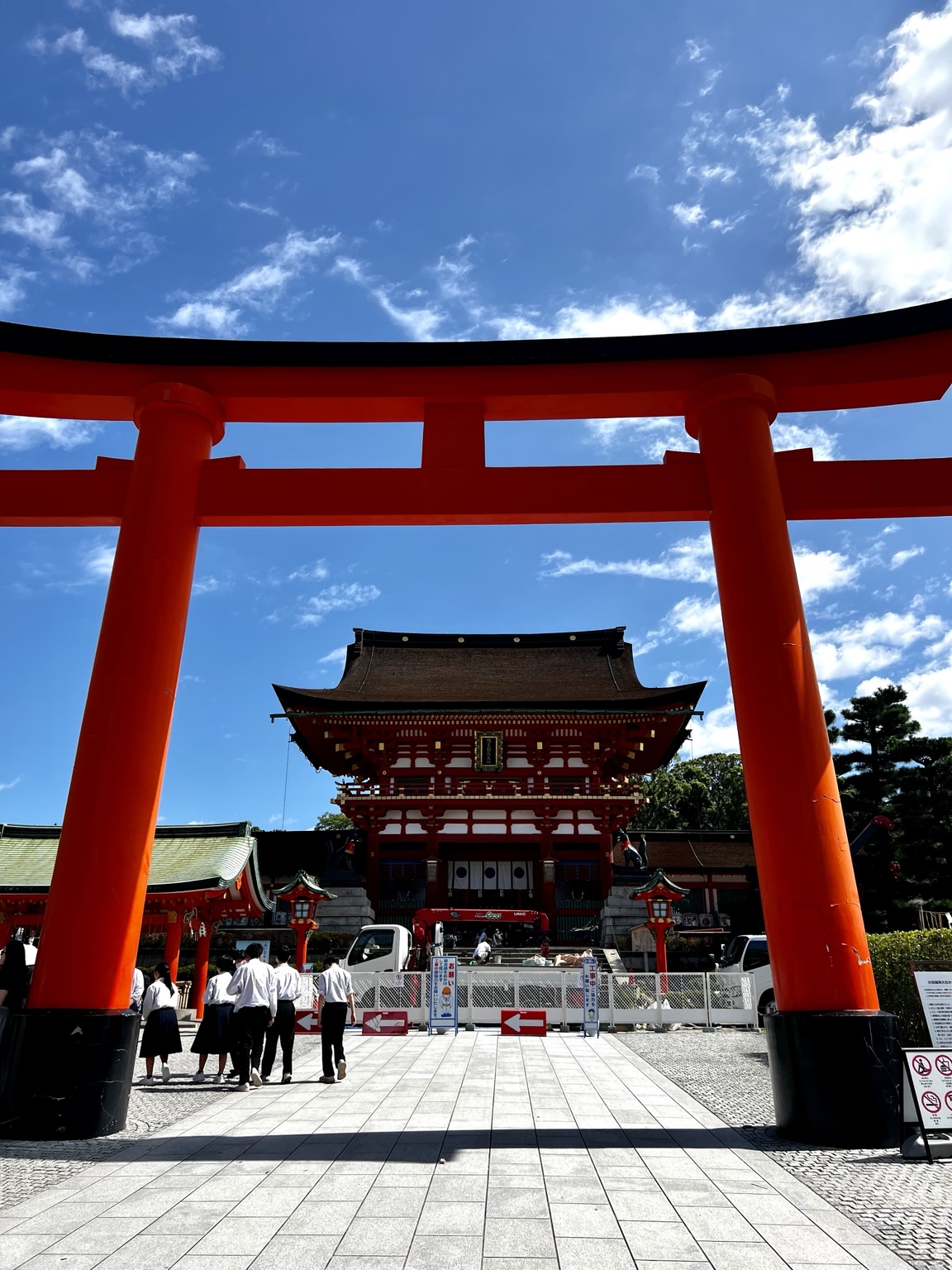
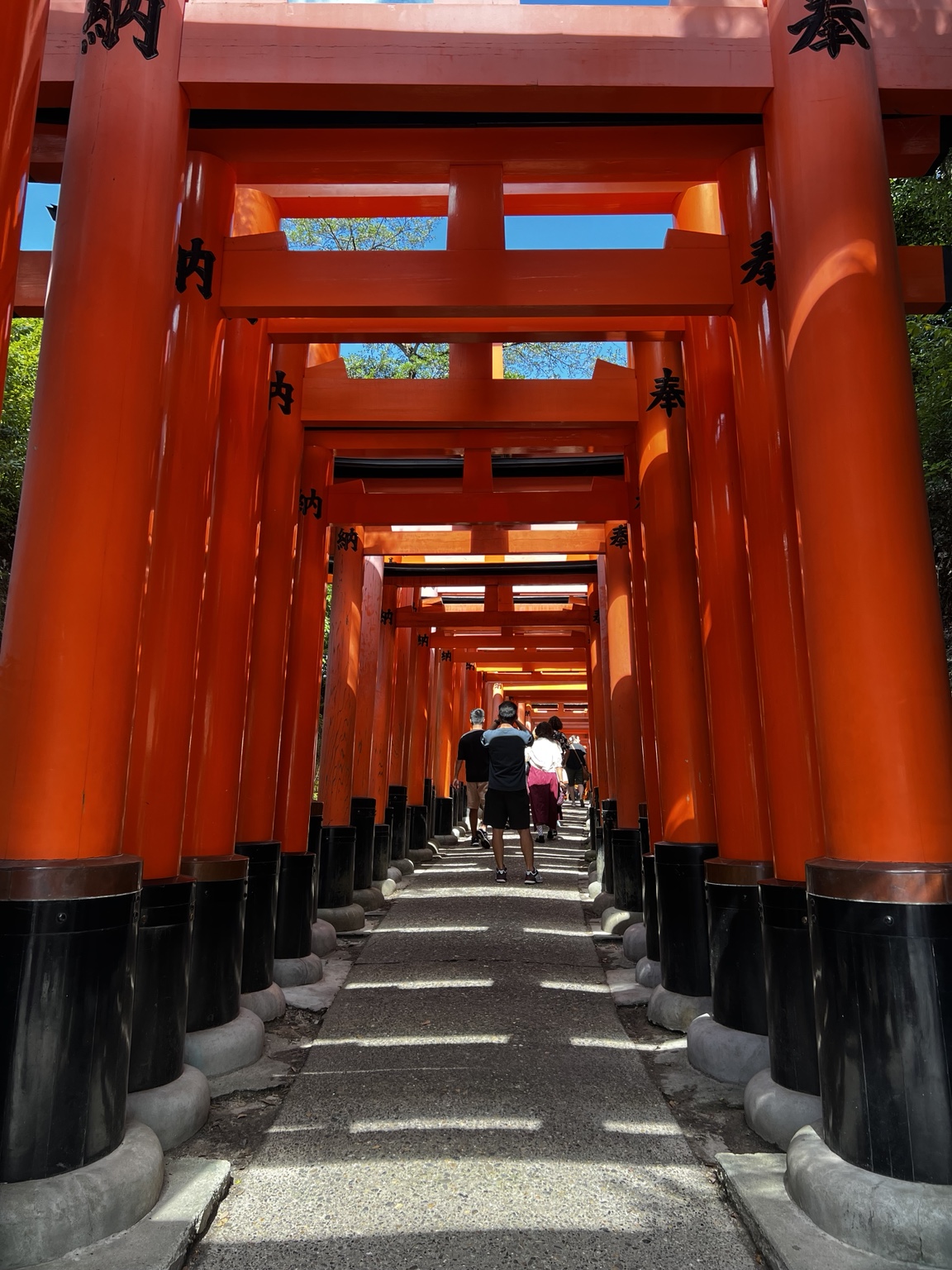
Begin early at Fushimi Inari Taisha, famous for its long tunnels of red torii gates. Your walk can be brief or continue up the mountain; the flow of visitors usually thins as you climb.
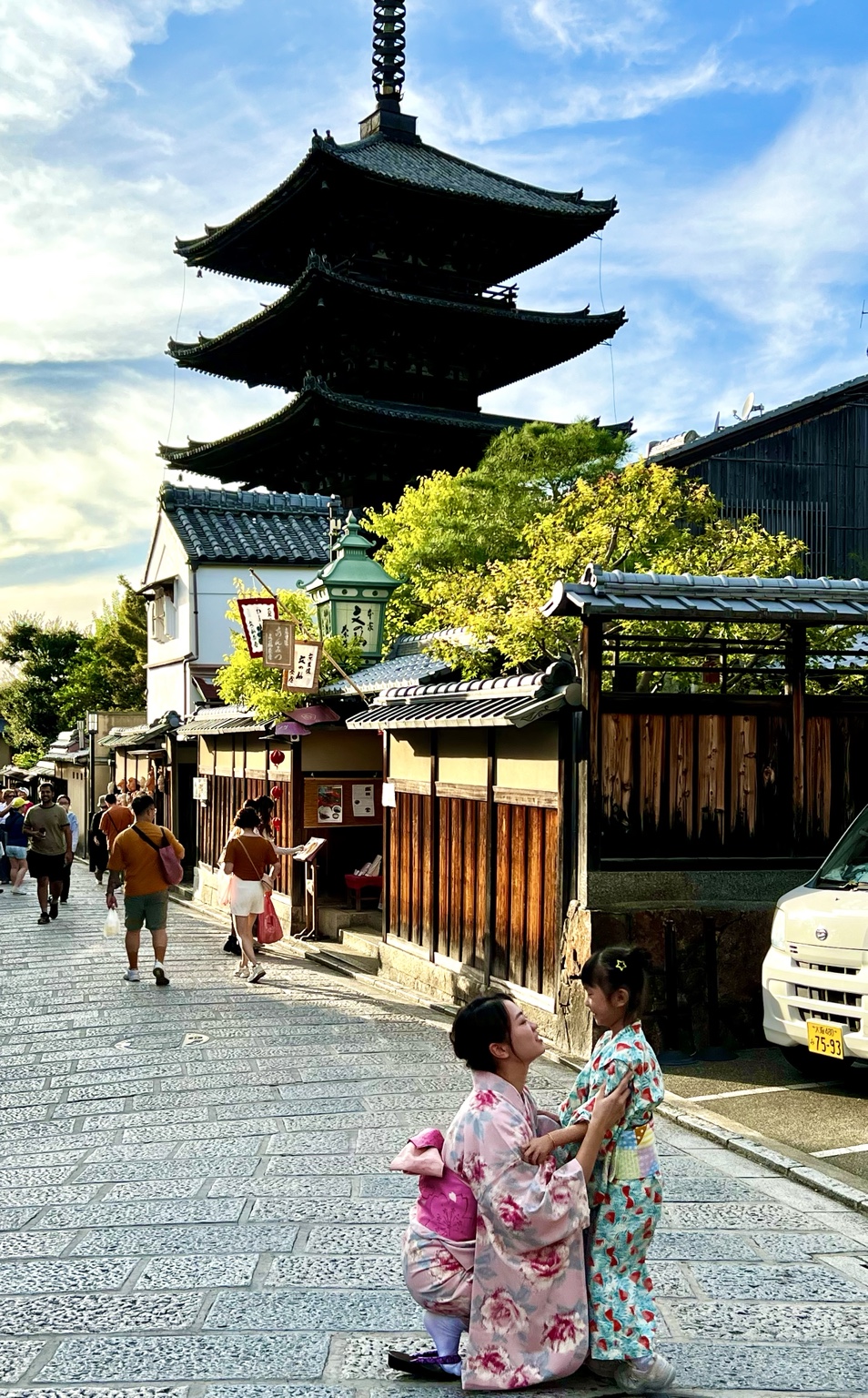
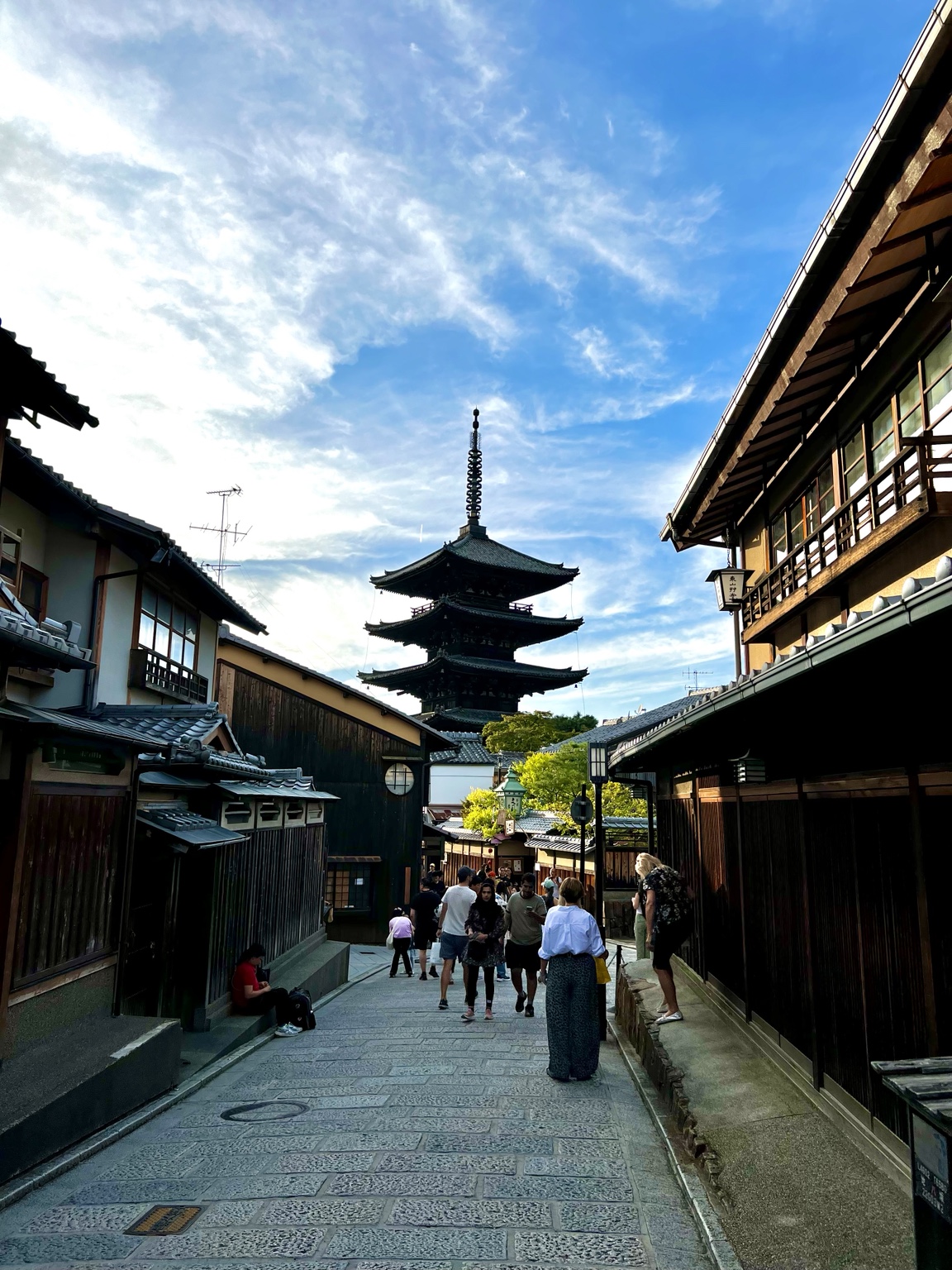
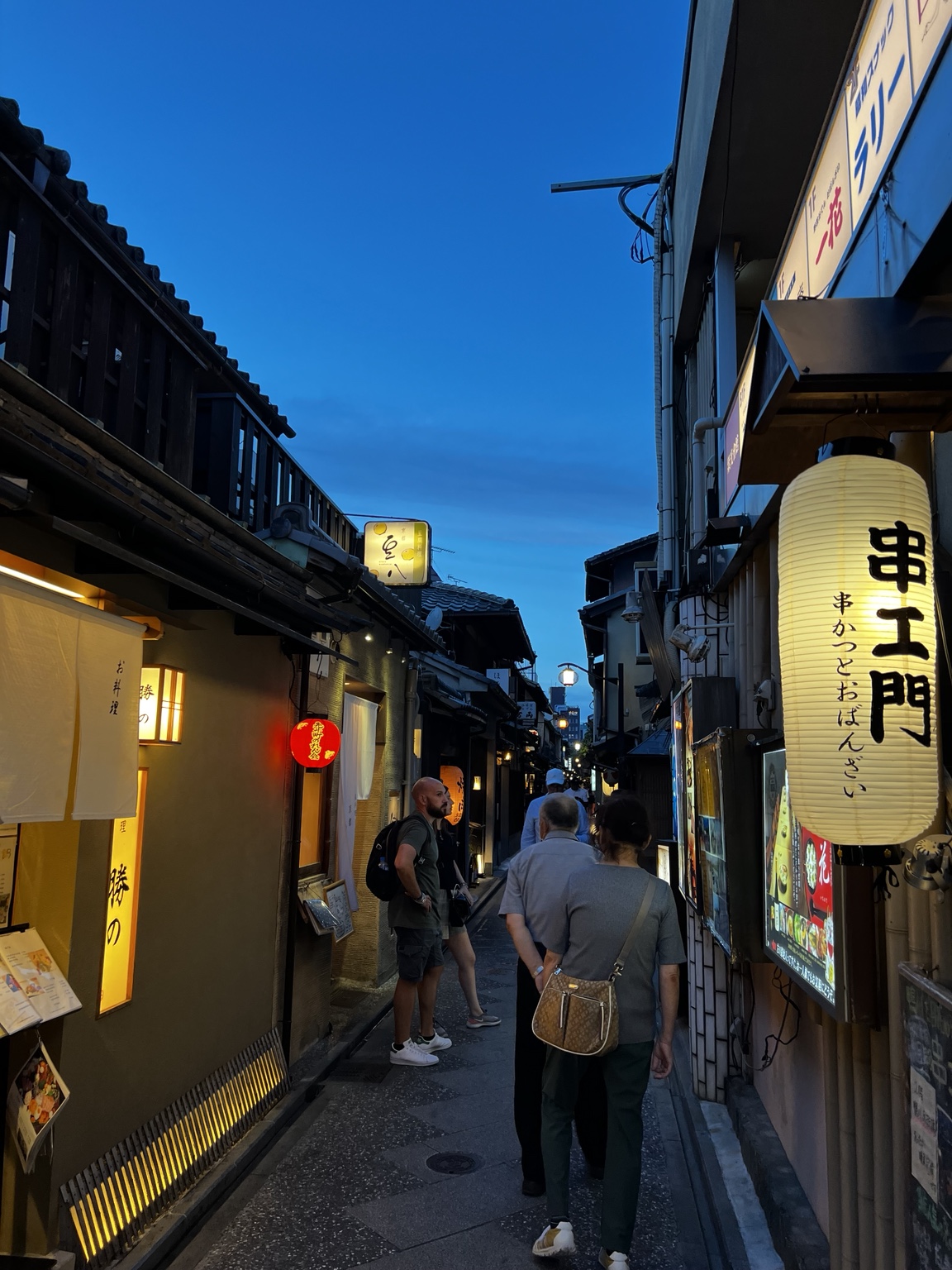
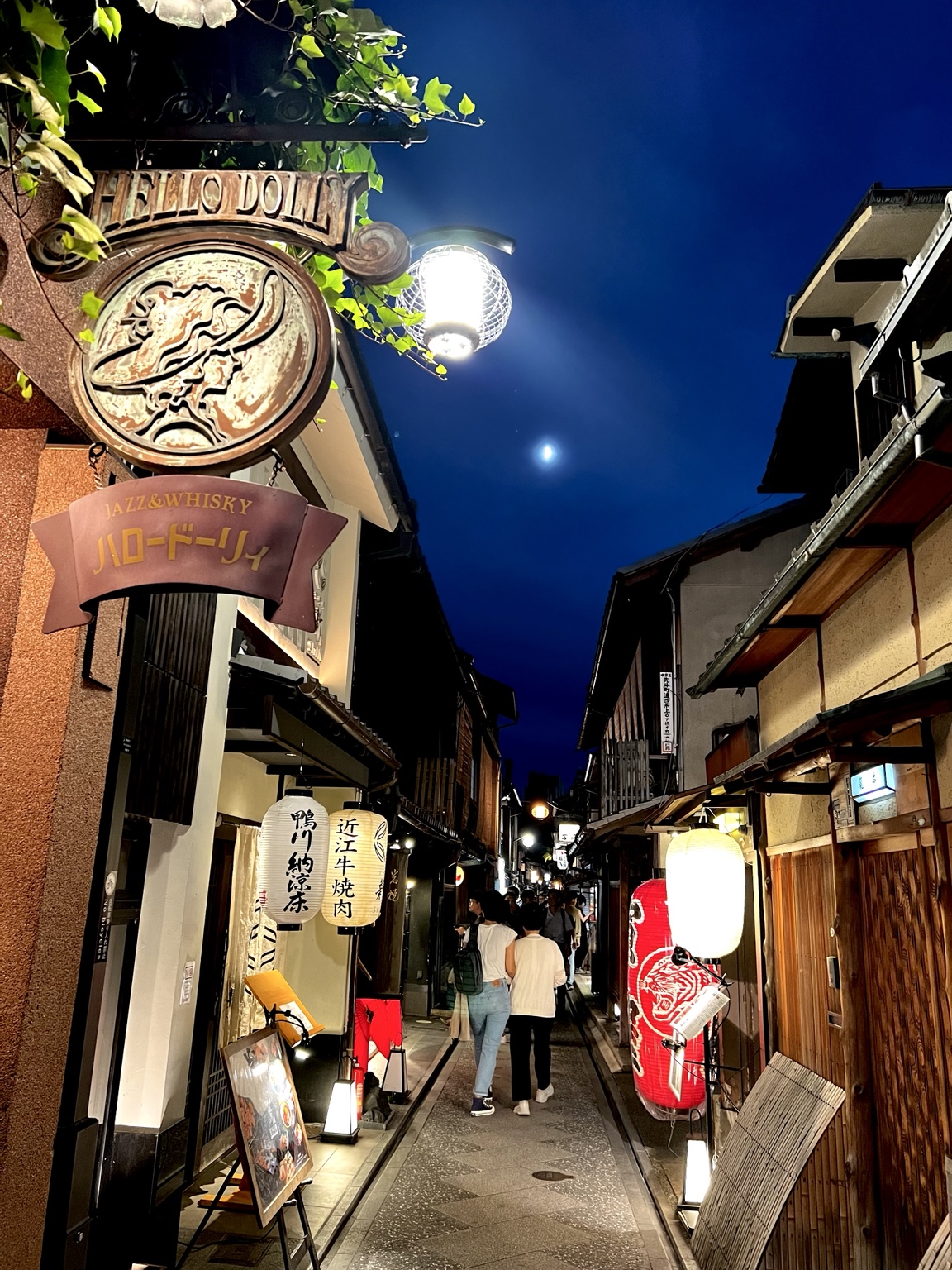
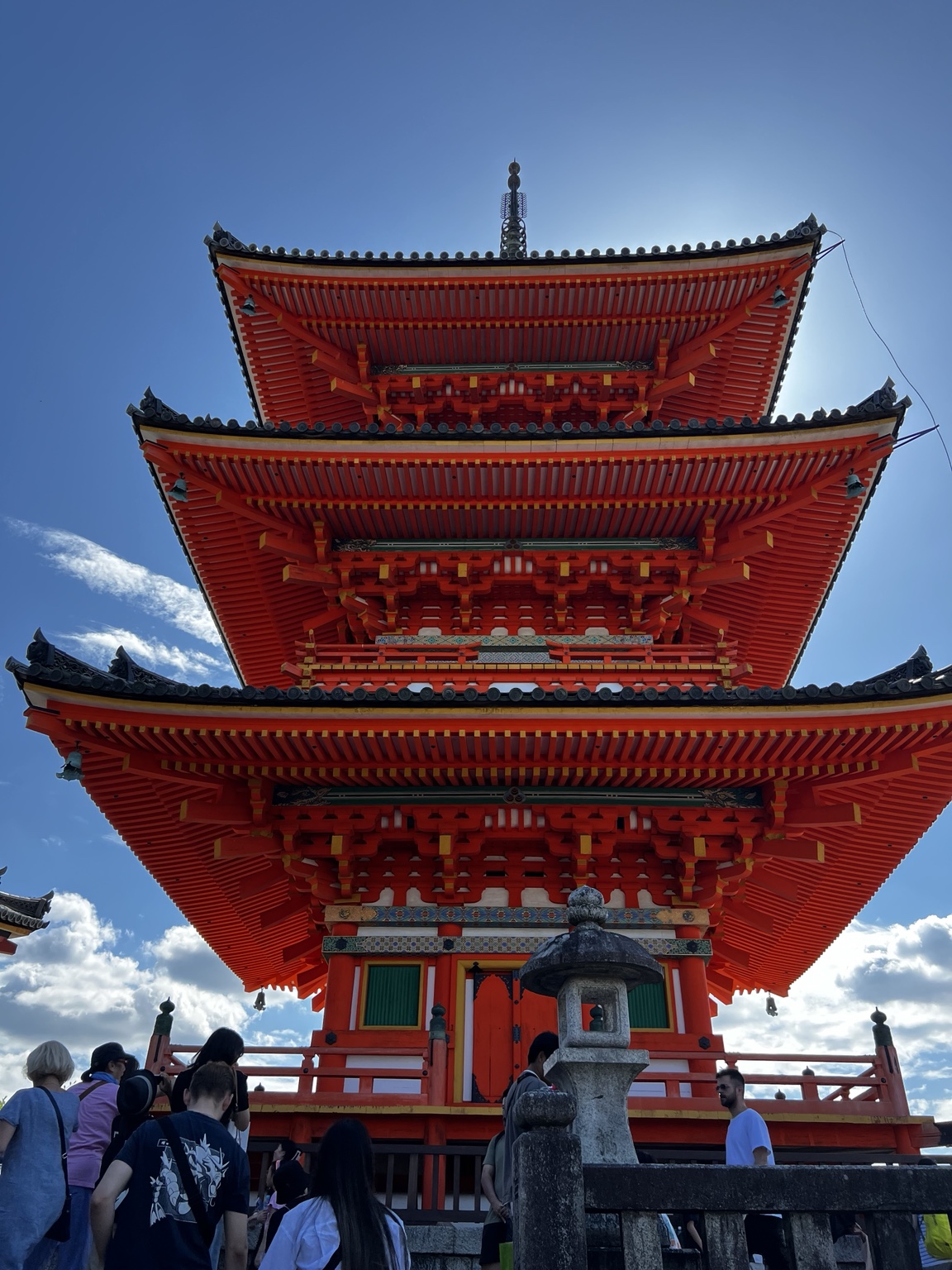
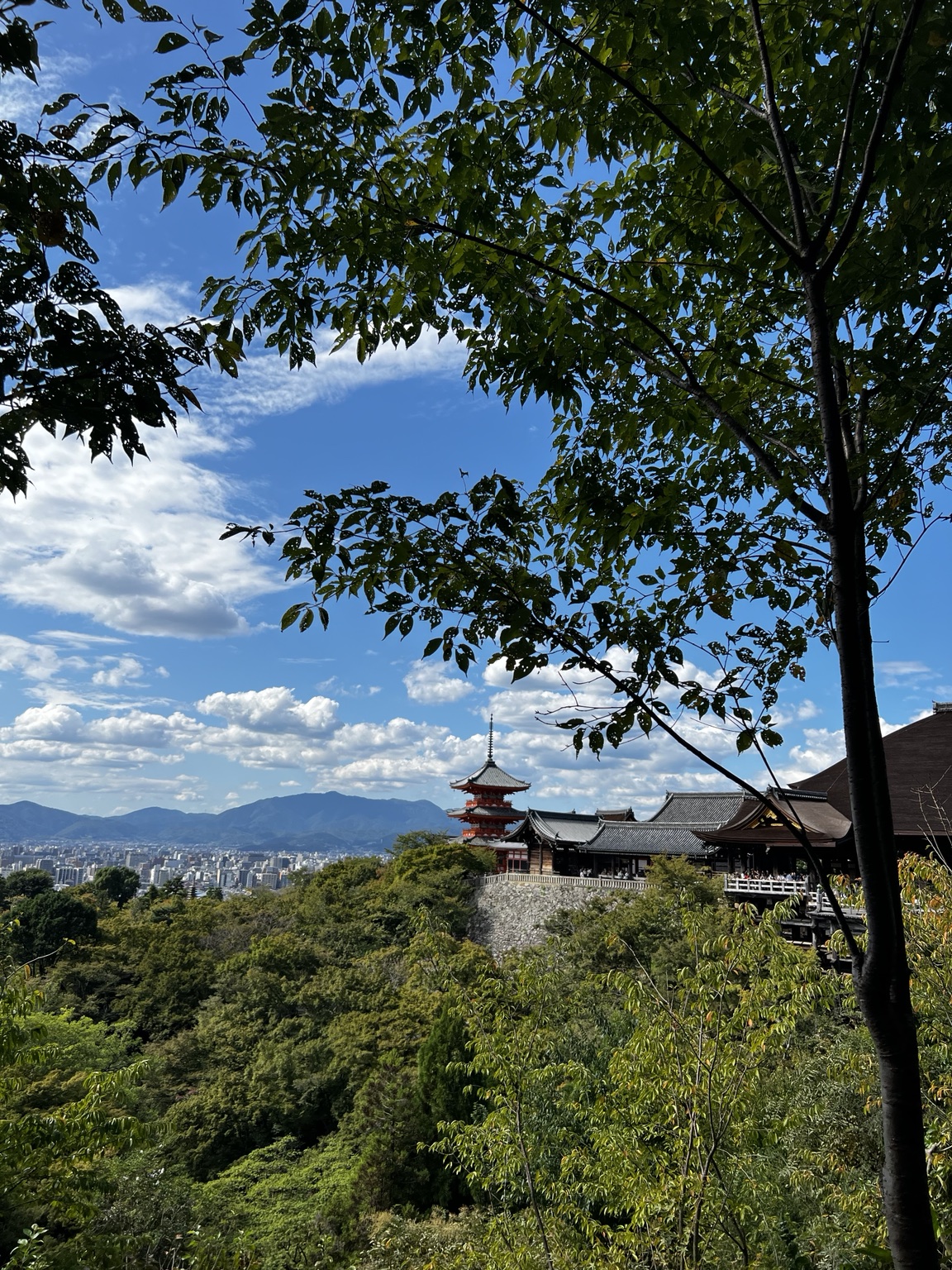
Continue to Higashiyama and Kiyomizu-dera. Allow time for the historic streets around the temple before heading to Gion. Toward evening, lanterns and traditional façades give the neighborhood even more atmosphere.
Day 2 — Arashiyama and Togetsukyo Bridge
Arashiyama deserves an early start. Walk through the bamboo grove before peak hours, then continue to Togetsukyo Bridge for views of the river and mountains.
Rather than racing back downtown, leave part of the day for the wider area. Reaching Arashiyama takes time, and the experience is much better when it is not reduced to a single photograph.
Day 3 — Kinkaku-ji, Nishiki Market and downtown
Start at Kinkaku-ji, the Golden Pavilion and one of Japan’s most recognizable landmarks. The visit follows a set route and can be combined with other stops in northern Kyoto.
Return downtown for Nishiki Market and a taste of local flavors. End around Kawaramachi and Sanjo, with easy access to shopping, restaurants and the banks of the Kamo River.
Where I stayed: Cross Hotel Kyoto
I stayed at Cross Hotel Kyoto and found its Kawaramachi–Sanjo location extremely convenient. Stations, restaurants, shopping and several central attractions were within easy reach.
For a first visit, this base makes evenings easier and reduces reliance on buses. It also works well for walking to Gion and Nishiki Market.
See Cross Hotel Kyoto↗Getting there from Tokyo
The most convenient route is the Tokaido Shinkansen from Tokyo Station to Kyoto Station. The fastest services take about 130 minutes; your exact journey depends on the train selected.
During major peak periods, all Nozomi seats may require reservations. If you are traveling on holidays or busy dates, buy your ticket and reserve a seat in advance.
JR Pass: calculate before buying
A JR Pass does not automatically save money. At current prices, a straightforward Tokyo–Kyoto itinerary—even with a return journey—may cost less using individual tickets. Add every long-distance segment and compare the total before committing.
The nationwide pass also requires an additional ticket to use Nozomi and Mizuho services. For many routes, regional passes or separate tickets are better value.
Experiencing Kyoto respectfully
Many of Kyoto’s busiest visitor areas are also residential and religious spaces. Do not enter private property, block streets for photographs or ignore instructions at temples.
The city publishes crowd information and suggests shifting visit times when possible. Starting early does more than improve photographs: it distributes visitor pressure and creates a calmer experience for everyone.