Before the itinerary
My time in Osaka included a food tour through Shinsekai, but this mini guide goes beyond eating: it brings together the castle, temples and shrines, areas to consider for accommodation and a suggested two-day itinerary. Use it as a starting point, adjusting the visits to your own pace.
Where to stay in Osaka
Start with the nearest station and the journeys you plan to make. Namba and Shinsaibashi are practical areas for restaurants, shopping and access to Dotonbori.
Umeda, around Osaka Station, is another area to consider if rail connections play a large part in your itinerary. Choose according to your connections and arrival or departure airport. These are suggested areas, rather than a recommendation of a hotel where I stayed.
Osaka Castle: the park and museum are different visits
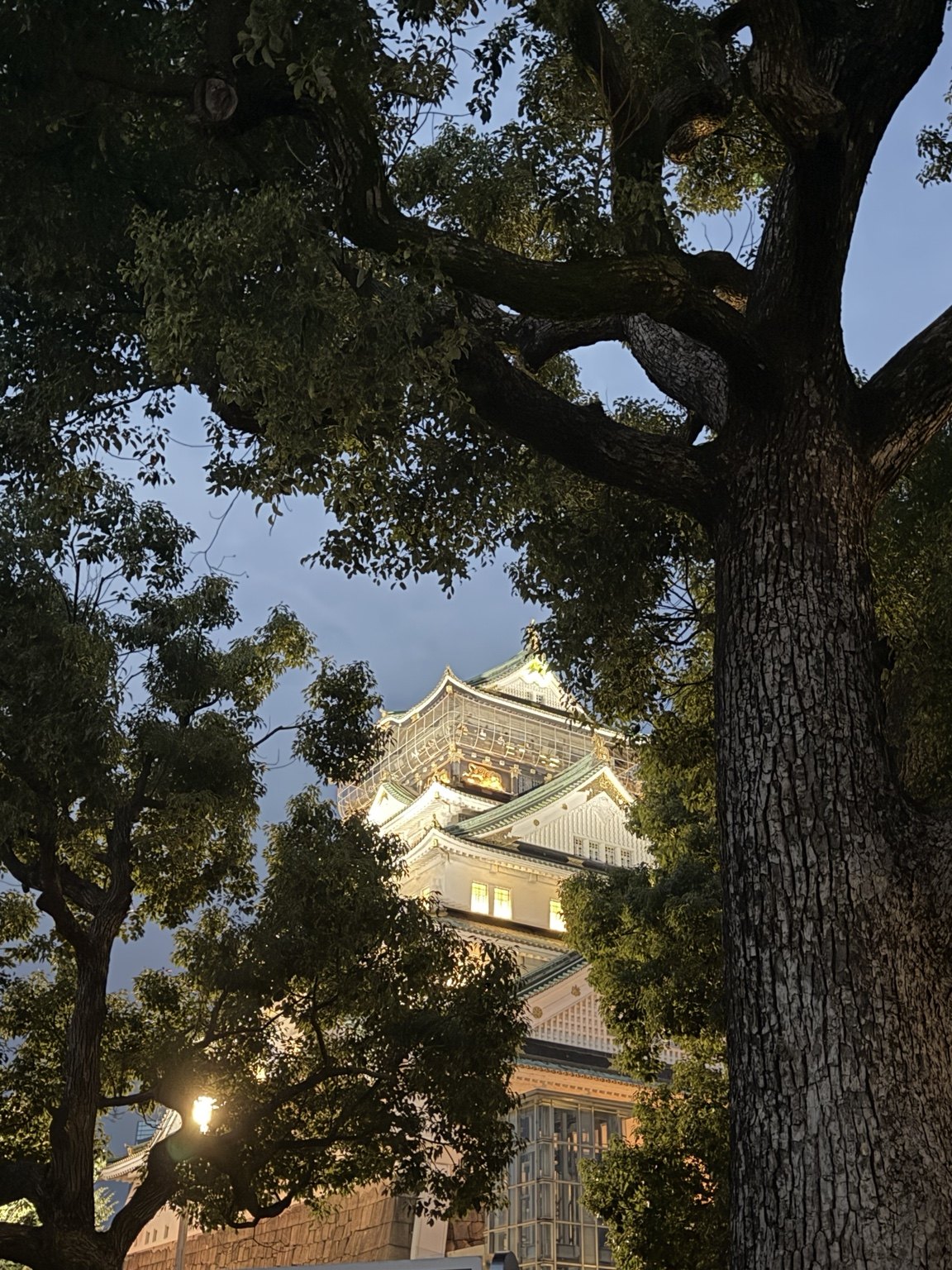
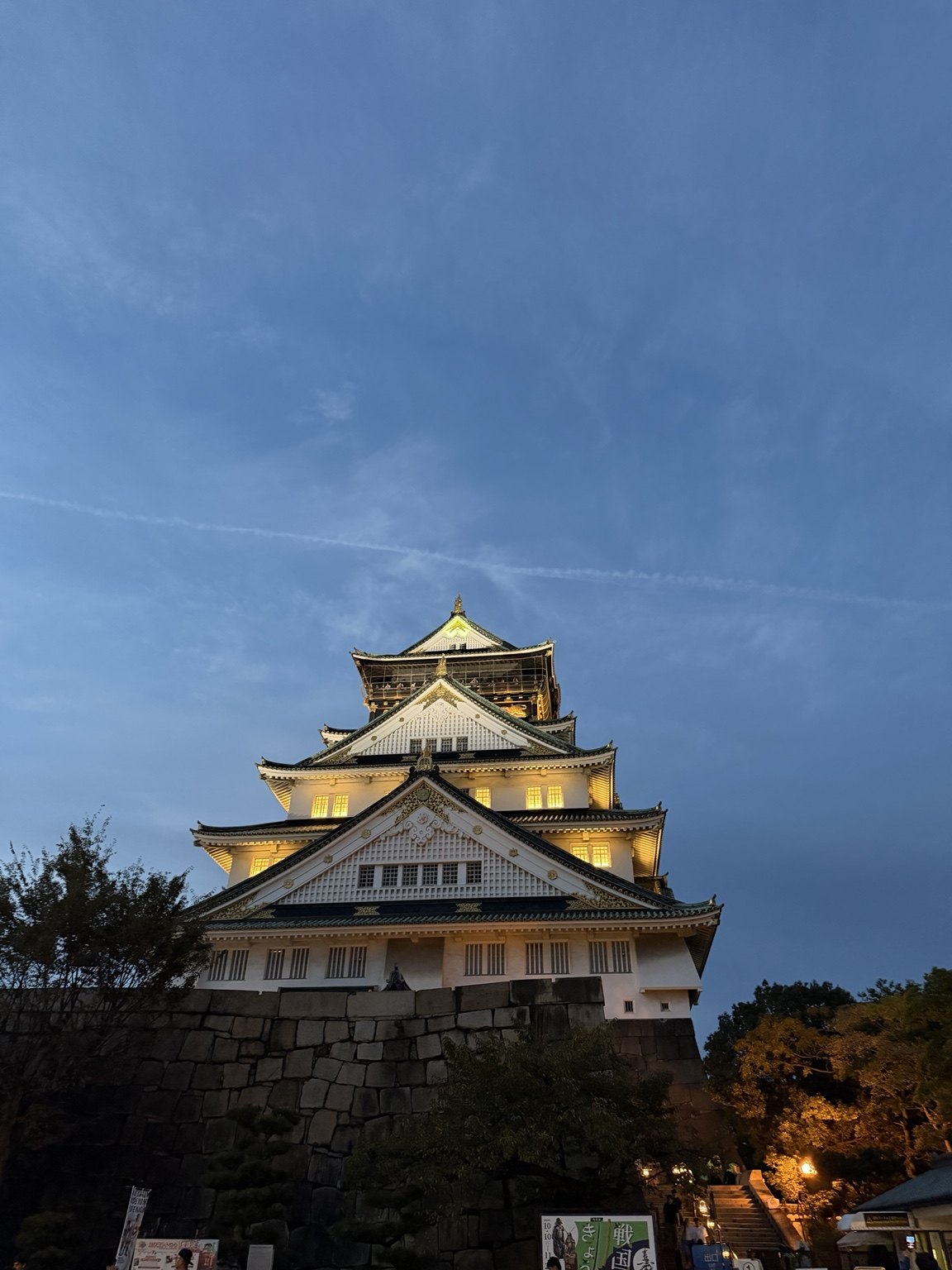
Osaka Castle is one of the city’s best-known sights. Allow time to walk through the park, see the building and find different views among the trees.
The main tower houses Osaka Castle Museum. Seeing the exterior and entering the museum are different outings. If you want to go inside, check admission, last entry and opening hours on the official website rather than leaving the indoor visit until after dark.
Check Osaka Castle Museum information↗Shitenno-ji: a stop for the historical side of Osaka
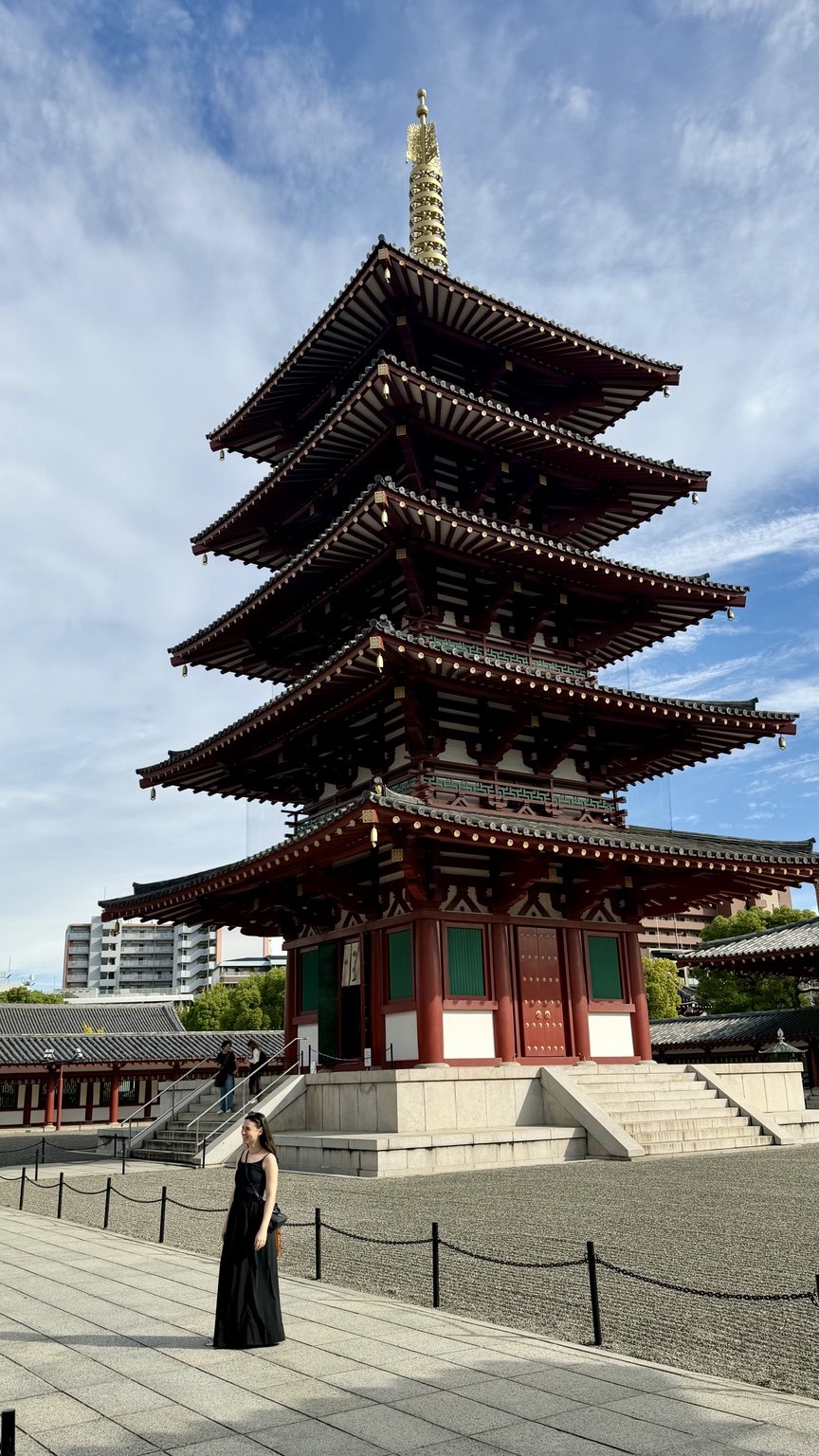
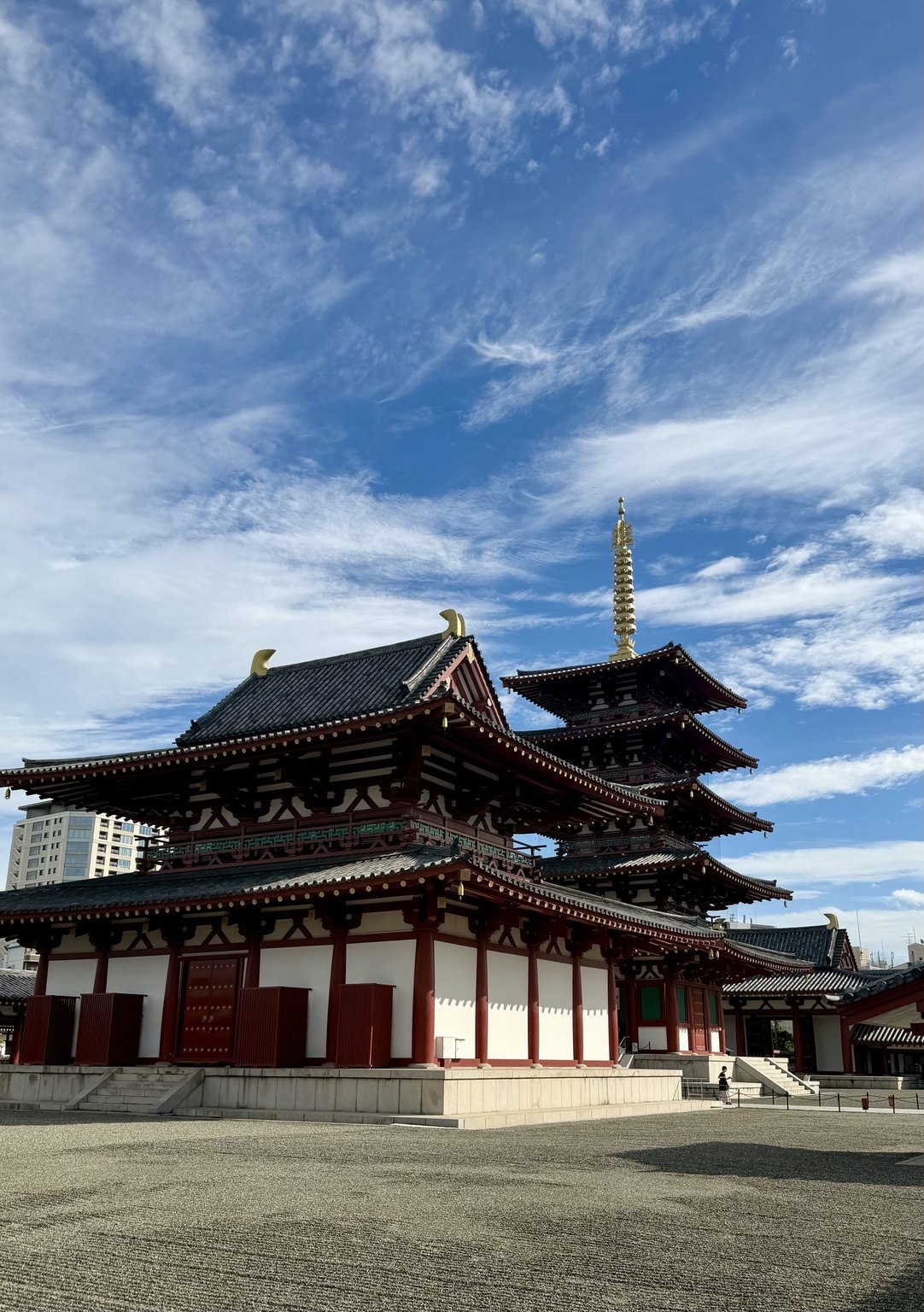
Shitenno-ji is a Buddhist temple with a pagoda, courtyards and several spaces to visit. It makes a daytime stop that contrasts with the illuminated streets of the busier districts.
Some areas require separate admission. Check the spaces you want to enter and seasonal opening hours, especially if you arrive late in the afternoon.
Official Shitenno-ji information↗Sumiyoshi Taisha and its arched bridge
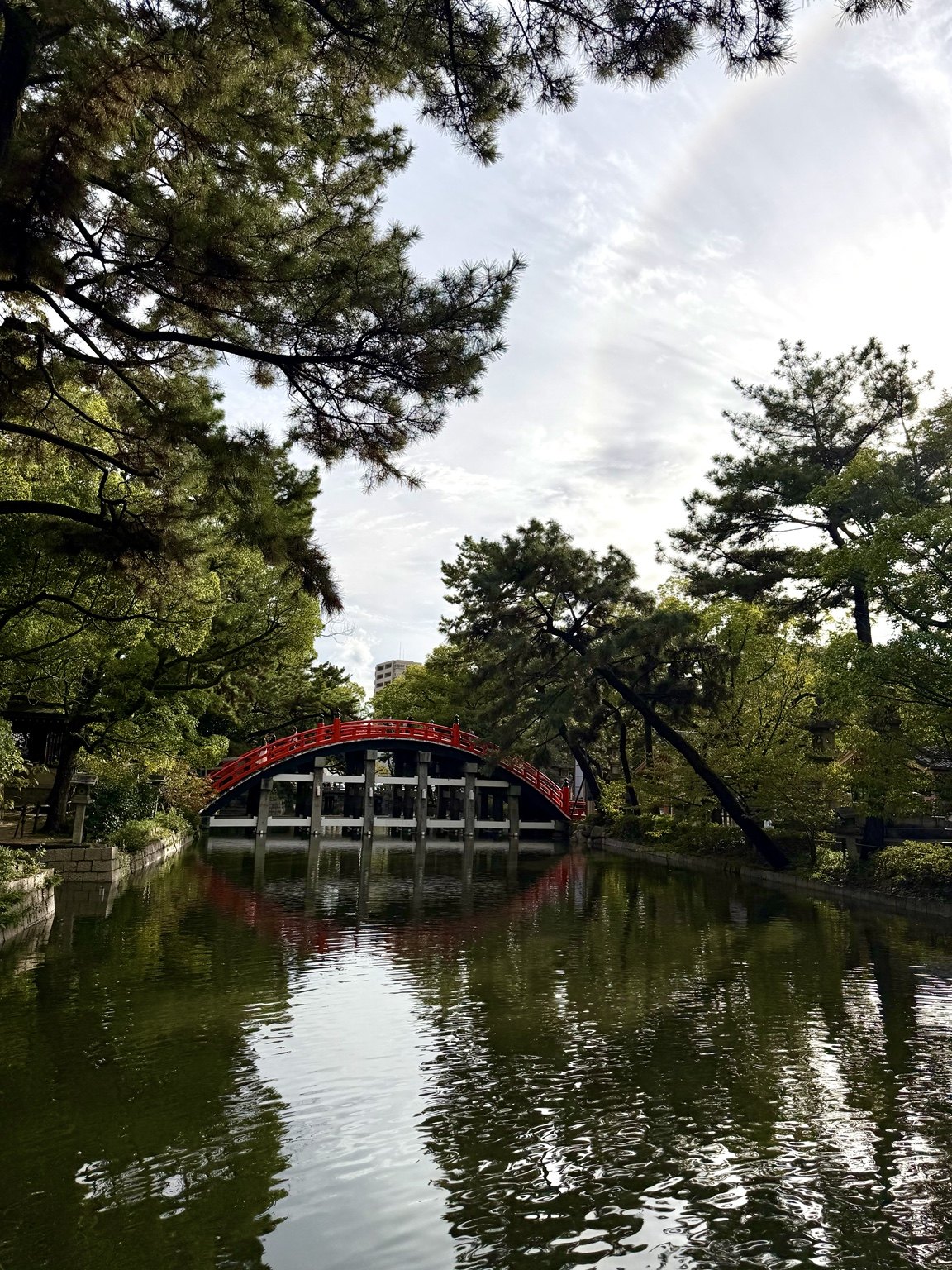
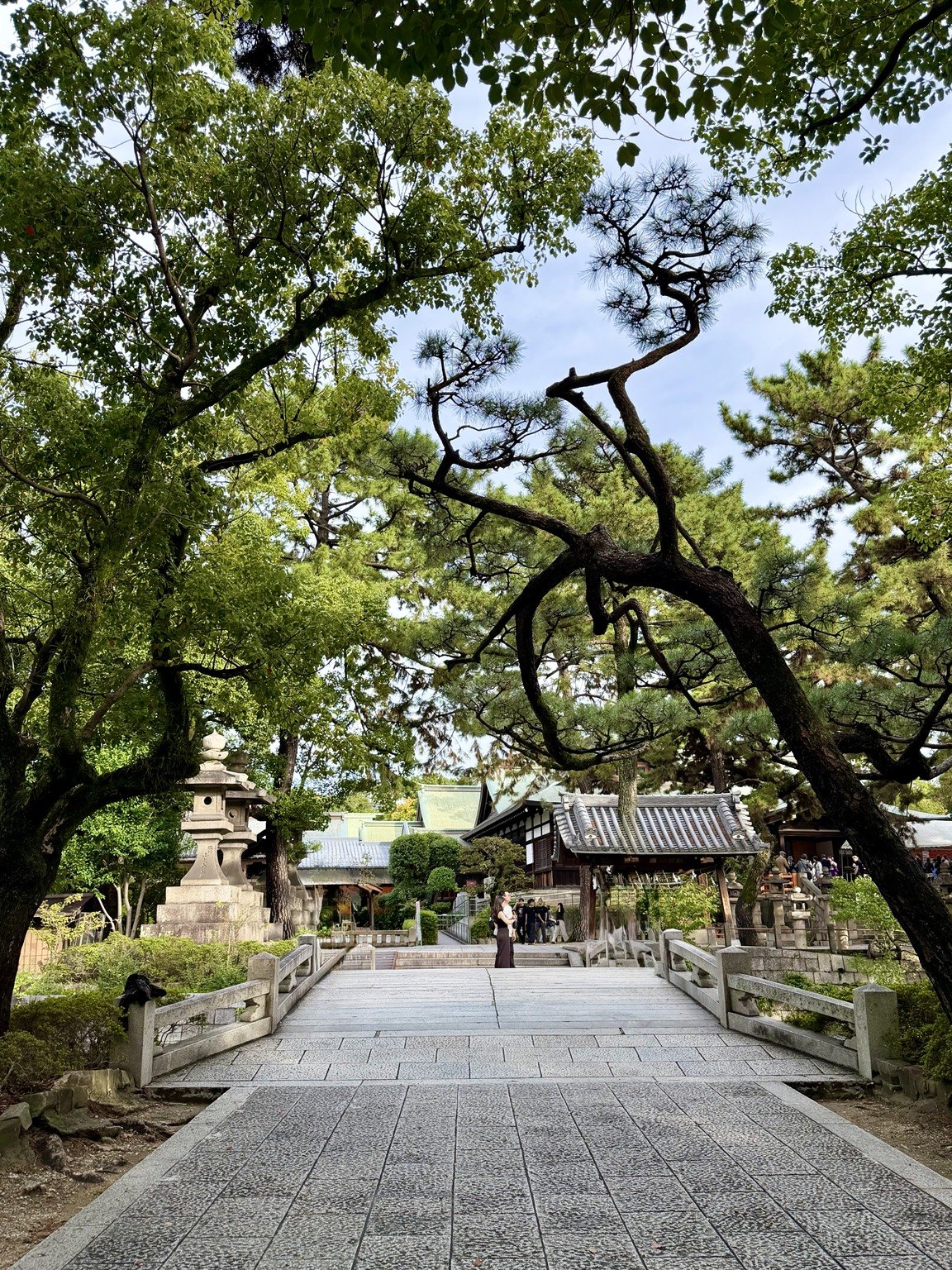
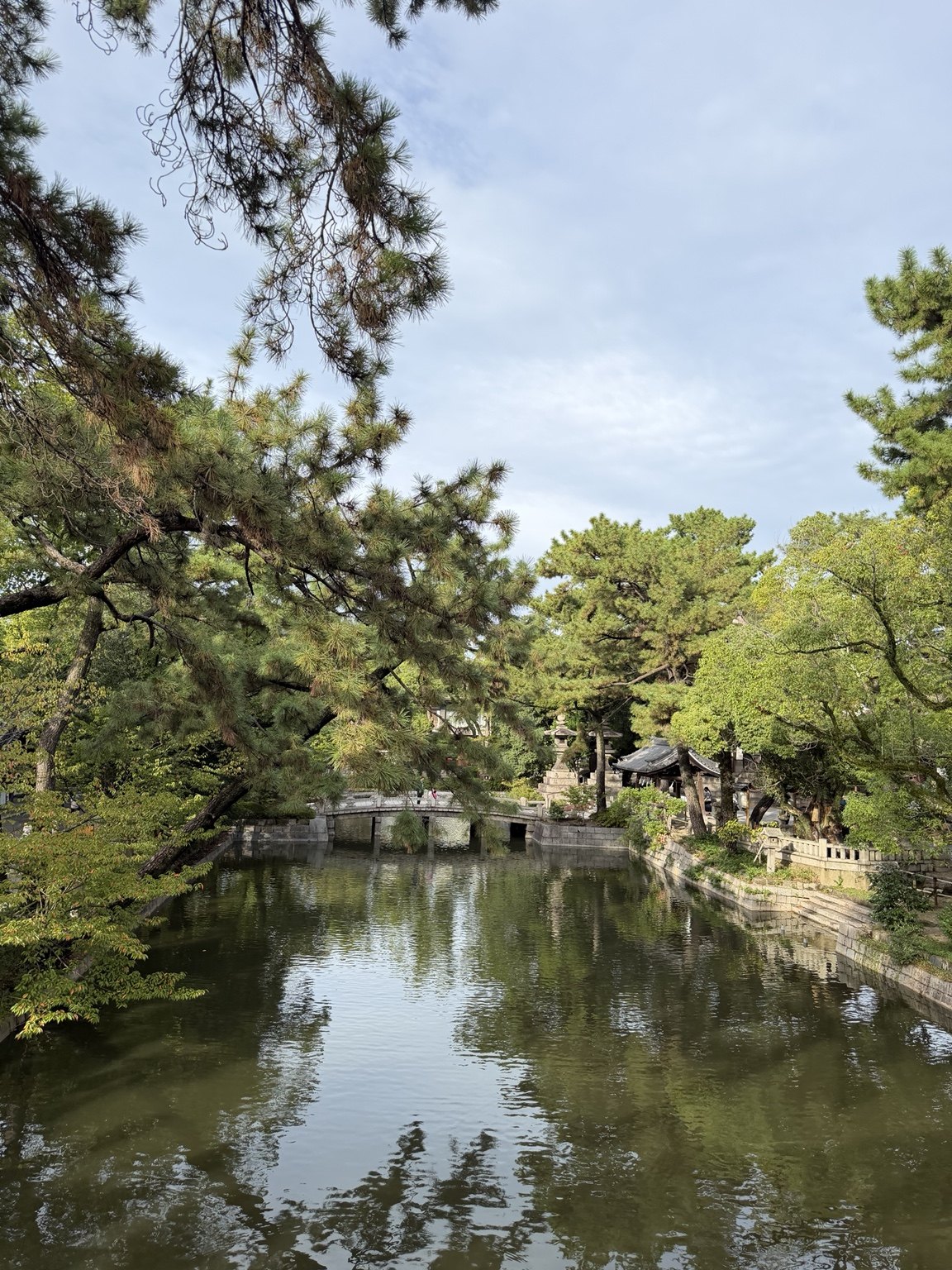
Sumiyoshi Taisha is a Shinto shrine known, among other features, for its arched Sorihashi Bridge. Allow time for its paths and architectural details, rather than stopping only for a bridge photograph.
The shrine lies south of the central districts. Check your route from wherever you are and visit during the day; look up closing time before setting off.
Explore Sumiyoshi Taisha Shrine↗Dotonbori and Shinsekai at night
Dotonbori brings together a canal, oversized signs and plenty of restaurants in the Namba area. It is an option for an evening walk and a stop for food.
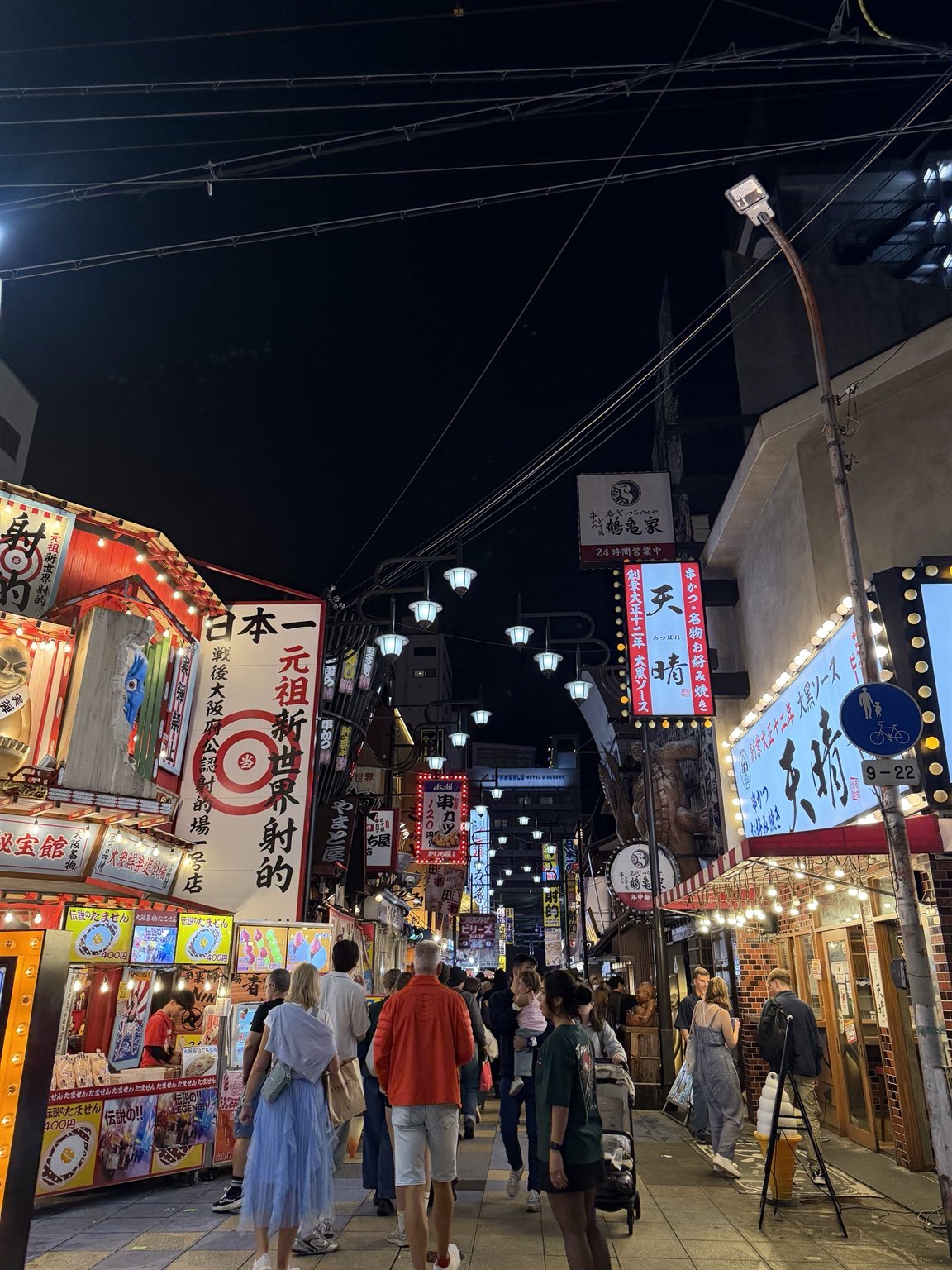
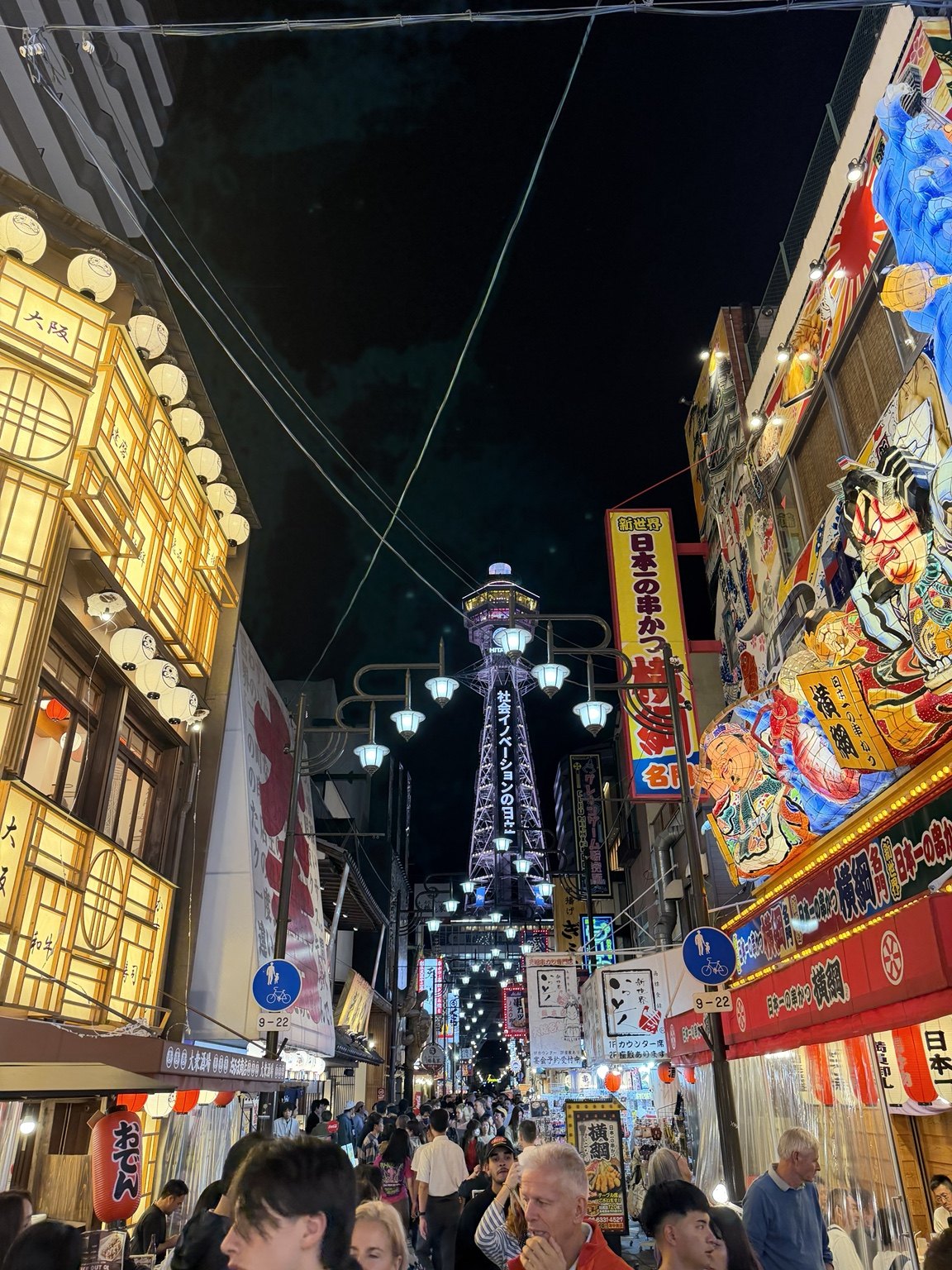
Shinsekai is another district to include: restaurant-lined streets, striking facades and Tsutenkaku Tower as a landmark. This is where I joined the food tour booked through GetYourGuide. Dotonbori and Shinsekai are different neighborhoods, so plan them as separate stops.
What to eat and the tour I joined
Takoyaki, batter balls with octopus, okonomiyaki, a savory dish cooked on a griddle, and kushikatsu, breaded and deep-fried skewers, are useful names to recognize before your trip.
On October 24, 2026, I joined the Shinsekai food tour. My separate post includes my photographs, the operator’s advertised format and practical meeting and booking details.
Read my Osaka food tour post↗Book the food tour
This is the activity I joined. Check prices, departure times and inclusions for your chosen date. Discuss allergies or dietary requirements with the supplier before purchasing.
View the Shinsekai tour on GetYourGuide↗Suggested 2-day Osaka itinerary
Day 1: start with Shitenno-ji, continue to Sumiyoshi Taisha and finish in Dotonbori. Calculate travel times before booking timed activities and adjust the order if you are staying elsewhere.
Day 2: set aside part of the day for Osaka Castle and its park, then continue to Shinsekai. If you book the food tour, use its departure time to shape the rest of the day.
This is a suggested arrangement of sights, rather than an exact account of my two days. Add more time if you want trips to Nara, Kyoto or other places outside Osaka.
Continuing through Japan
For a combined trip, read my Kyoto guide too. It covers temples, bamboo, traditional neighborhoods and ways to group sights by area.
Read the 3-day Kyoto itinerary↗